
UK savings calculator: Easily estimate your potential savings growth
UK savings calculator lets you project future savings, compare interest rates, and plan deposits confidently. Discover smarter financial planning now.
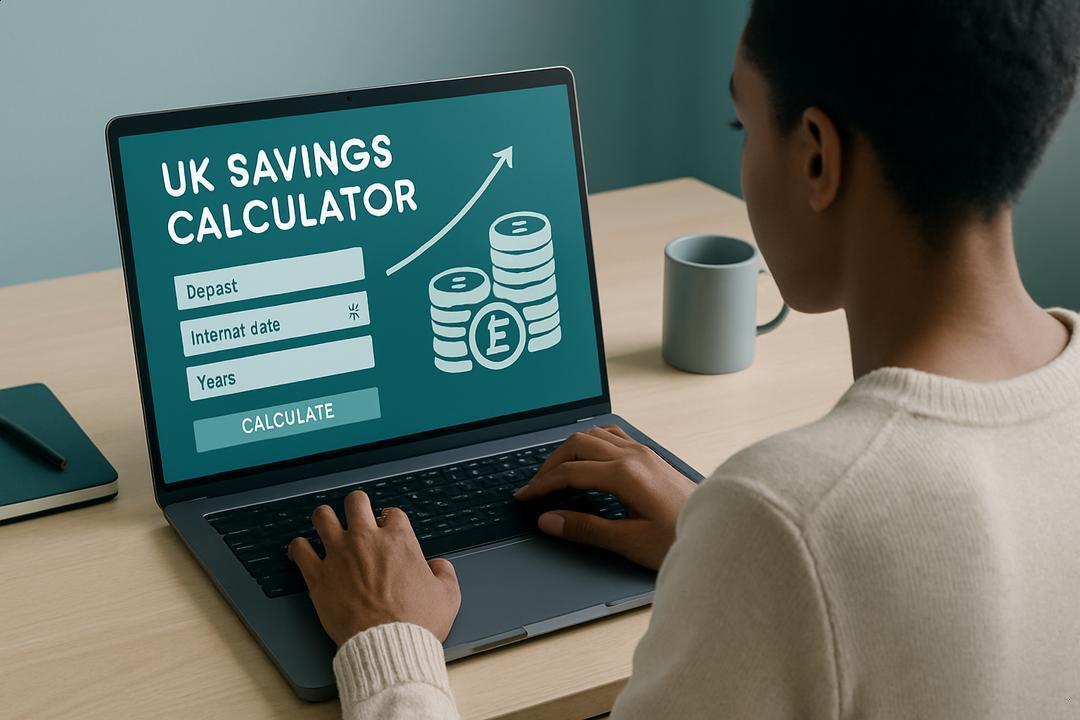
Ever stared at your bank account and wondered, “Am I saving enough? How much could my money actually grow?” You’re not alone. Millions across the UK want to secure their future but feel lost in the numbers game.
With interest rates changing and new tax rules arriving every year, keeping track becomes a real headache. Many are turning to a UK savings calculator to make sense of it all, helping answer questions about interest, monthly deposits, and realistic savings goals. These tools are gaining traction as smarter financial planning becomes a growing concern among everyday savers.
Most advice online? It’s either too simplistic or skips UK-specific details, like ISAs and tax-free allowances. Some calculators miss personalized features altogether, leaving you guessing important factors or struggling to turn results into action.
This guide stands out. You’ll discover exactly how a UK savings calculator works, how to pick a feature-rich tool, and simple steps to chart your course. Plus, you’ll get practical ways to maximise your savings, no guesswork, just clarity and confidence for your financial future.
How a UK savings calculator works
Understanding how a UK savings calculator works helps you make better money decisions, before you even move a pound. These tools do the sums for you, turning your savings habits and interest rates into simple, clear projections. Let’s break down how they calculate your future financial picture, from UK-specific tax rules to customising your own goals.
What it calculates: future balance, monthly deposits, and timelines
The direct answer: A savings calculator figures out your final projected balance by adding up your starting savings, any regular monthly deposits, and applying the interest rate across your chosen timeline.
For example, if you start with £1,000 and add £200 each month at 4% interest, over 10 years you could see roughly £31,000 total. Out of that, over £7,000 is just from compound interest growth, not from your own deposits. The tool will also show your total contributions versus the interest earned, and work out when you’ll hit a savings goal date.
Try out slight changes to how much you save per month or the length of time, and see the results instantly.
How it handles UK-specific rules like ISAs and tax-free interest
Most calculators let you estimate the impact of tax-free interest by including a setting for the UK’s Personal Savings Allowance. This means basic taxpayers can earn up to £1,000 interest each year tax-free, while higher-rate taxpayers get £500. ISAs, where all the interest is tax-free, are handled by letting you set your savings as inside or outside an ISA. However, you may need to check ISA limits (£20,000 per year) and enter that yourself.
If you’re nearing the personal allowance or using an ISA, the tool can show the difference between your gross and net returns. That way, you can compare real take-home interest across different accounts or strategies.
Personalising calculations with your savings goals and interest rates
A UK savings calculator is flexible to your savings goals. Enter your starting balance, choose how much you want to add (monthly or yearly), set the interest rate, and pick how long you want to save for. You can tweak each factor, say, saving for a house in 5 years at 3%, or boosting your retirement pot over 25 years at a higher rate.
The calculator gives you an estimate only, as results depend on the data you enter. This makes it perfect for testing out “what if” scenarios. Try adjusting your contribution amount or rate, and see how your future changes.
Key features to look for
Not all savings calculators are created equal. The best ones offer features that make a real difference to your results and help you plan smarter. Here’s what you should always look out for before you start number-crunching.
Interest rate handling: fixed vs variable rates
A strong calculator lets you test fixed vs variable rates in one place. Fixed rates, like 4.38% to 8.00% AER, lock in your interest for a set period, ideal for stability. Variable rates can change during your savings term, helping you see the risk and potential reward side by side.
For instance, a £30,000 deposit at Yorkshire Building Society grows more with top-tier fixed rates than with lower, changing options. A good tool lets you build side-by-side comparisons so you can decide what suits your comfort with risk.
Adjusting for inflation and account fees
Reliable savings calculators always account for inflation and fees. Inflation eats into your real gains unless your rate is about 2% above inflation, according to a common rule of thumb. Account fees can also erode your profits, especially on lower-rate accounts.
For example, if the Bank of England rate is 3.75%, and your account offers 3%, fees or inflation could mean your real return is negative. Choose calculators that show your net returns after tax, accounting for the Personal Savings Allowance (£1,000 for basic taxpayers, £500 for higher rate).
Extra tools: scenario comparisons and visual summaries
The best calculators include scenario comparisons and visual growth charts so you can see how different choices play out. Swapping from 2% to 4.5% interest on £10,000 over one year could mean an extra £257.56 gain, numbers are clearer when you can view them side by side.
Look for tools with graphs or timeline charts to show compounding over time and to help you set real-life goals like holidays or retirement. Tweak your monthly deposits, interest rates, or account type and watch the results update in real time.
Steps to use a savings calculator
To get real value from any UK savings calculator, you need a clear method. The right approach lets you turn confusing numbers into an easy savings action plan, even if maths isn’t your thing.
Gathering your financial details to start
The direct answer: Start by gathering your account details. This means knowing your starting balance, regular monthly deposit amount, your chosen interest rate, how long you want to save, and your tax status (ISA or standard savings account).
Before you begin, grab your most recent statement or banking app to double-check each figure. Entering data accurately leads to more accurate results.
Walking through a typical calculation example
The key is to follow a simple calculation example. For instance, say you have £2,000 to start, plan to save £100 per month, and your account pays 4% annual interest over 5 years. Most calculators will show your future amount growth, separating total deposits from interest earned.
Try different scenarios, change the deposit or interest rate, and watch how your total changes. It’s clear, fast, and helps you test your future goals.
How to interpret the results for financial planning
The best part is using the results for realistic savings planning. Calculators break down not just the lump sum at the end, but also the interest you’ve earned versus your actual contributions.
This helps you answer real questions: Are you saving enough for your target? Could a higher deposit or better rate get you there sooner? Adjust your plan based on these answers for true financial progress.
Tips for maximising your savings
If you want your savings to grow faster, it pays to be smart about your approach. The right habits, account choices, and tax moves can boost your balance, often more than you expect. Here are three proven strategies anyone can use.
Picking accounts with top interest rates
Go for accounts offering top interest rates. In recent months, fixed-rate ISAs have hit over 5%, while the best easy-access accounts are around 4%. Even a 1% difference can add hundreds without extra effort.
For example, moving £5,000 from a 2% account to a 5% account could make you roughly £150 more interest a year. Compare rates using online best-buy tables every few months to make sure you’re not missing out.
Making the most of tax-free allowance and ISAs
Use every bit of your tax-free allowance. The ISA annual limit is £20,000, and the personal savings allowance means most people get £1,000 (or £500 for higher-rate taxpayers) of savings interest tax-free outside an ISA.
Make use of tax-free wrappers like ISAs before building up savings in taxable accounts. If you’re close to your personal allowance or ISA limit, plan where next year’s savings should go to keep more of your interest.
Practical ways to increase your monthly deposits
Even small moves can increase monthly deposits. Try automating a regular transfer just after payday, rounding up everyday purchases, or putting your side hustle earnings straight into savings. These tactics help form regular saving habits and grow your pot faster.
Take 5 minutes to check if you can raise your monthly deposit, even by £10 or £25. Over a year, that adds up, especially when paired with compounding interest.
Making the most of UK savings calculators for smarter financial planning
You can use a UK savings calculator for real financial progress by not just forecasting your final number, but actively shaping your habits and plans around the insights it provides.
The smartest users go beyond entering amounts and rates, they track their monthly contributions, set specific savings deadlines, and check if they’re hitting goals for things like an emergency fund or house deposit. Redo your calculations if rates change; most rates aren’t fixed and market shifts can affect your plan. Treat your savings target as a fixed monthly bill, automate transfers or use standing orders so it happens without effort.
Expert guidance suggests aiming for 20% of your income saved each month (the classic “50/30/20 rule”), and prioritising high-interest or ISA accounts for better returns and tax efficiency. Reviewing your results with each pay rise or new expense helps keep your savings plan on track. Practical tip: If a calculator shows you can save £50 more a year by switching to a higher interest rate, consider that move as part of your strategy, small changes matter over time.
Watch out for common slips: not adjusting for inflation, ignoring potential rate changes, or only entering lump sums. Include all your regular contributions, and use the results to motivate yourself, whether that’s seeing your progress towards an emergency fund or speeding up your timeline for buying a home. With regular review and action, a savings calculator becomes not just a planning tool but a real confidence booster for your financial journey.
Key Takeaways
This article gives you clear, practical steps to use UK savings calculators for smarter, more confident financial planning.
- Understand your inputs: Accurately enter your starting balance, monthly deposits, interest rate, and timeline for meaningful results.
- Customise for UK rules: Adjust for ISAs, Personal Savings Allowance, and tax-free interest so your projections reflect real-life returns.
- Compare account types: Use calculators to test fixed versus variable rates and see which suits your goals and risk tolerance best.
- Account for real returns: Factor in inflation and account fees to understand the true growth of your savings, not just the gross numbers.
- Maximise interest and allowances: Regularly seek top interest rates and use your full ISA and tax-free allowances to boost your gains.
- Automate and review regularly: Treat savings as a fixed bill, automate transfers, and recalculate whenever rates change or your targets shift.
- Interpret results as a plan: Use breakdowns of interest earned and contributions to set realistic savings goals and timelines for major milestones.
The main takeaway: A UK savings calculator is not just a projection tool—it is your partner for consistent, savvy, and tax-efficient saving over time.