
Priority debts checklist: Essential steps for UK financial stability
Priority debts checklist, get clear on UK debt priorities, avoid bailiff action, and safeguard your finances. Easy steps explained.
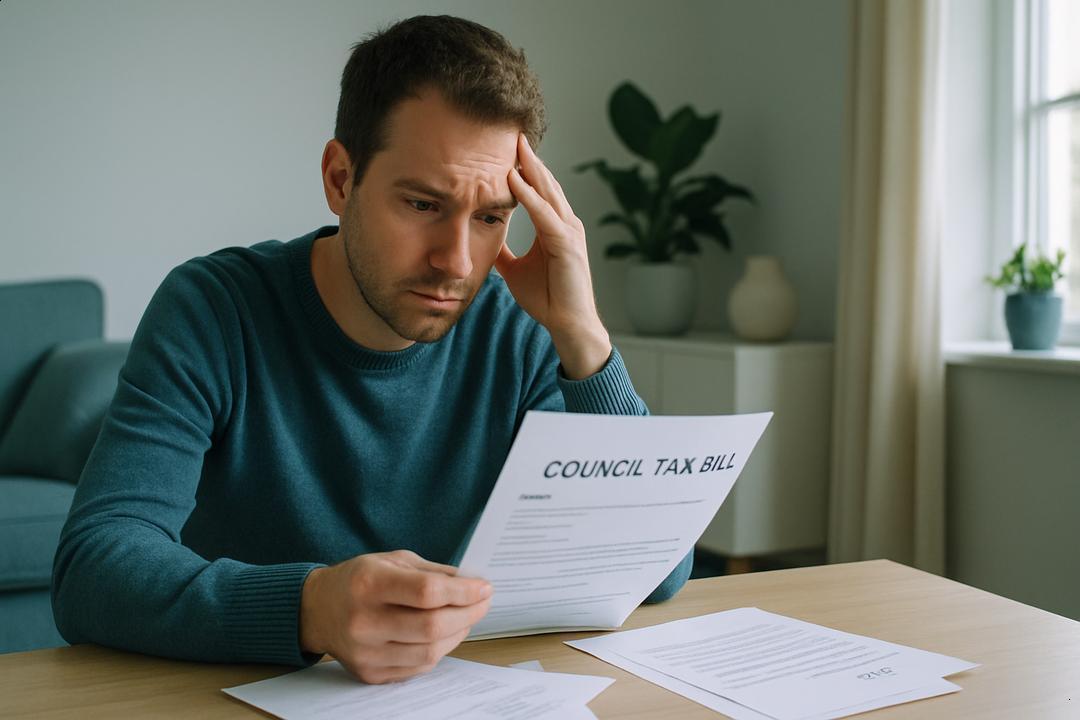
Imagine opening your post and feeling your stomach drop at the sight of another red bill. If sorting your pile of debts makes you want to shove the whole lot in a drawer, you’re not alone. But some debts are more urgent than others, and knowing which ones come first could be the difference between keeping your home or risking court action.
A growing number of UK households worry about not keeping up with bills. Missed payments on priority debts checklist items, like council tax or rent, can turn a tight spot into a real crisis. Unlike credit cards, letting these bills slide can mean bailiff visits, losing your home, or even court fines and prison in rare cases.
The problem? Most quick online guides gloss over the tricky bits. They might tell you to “pay what you can” or focus on high interest, but that skips crucial steps and doesn’t explain what ‘priority’ really means.
This article breaks it down in plain English. We’ll walk through exactly which debts are most urgent, step-by-step methods for getting organised, and practical tips UK experts recommend. If you want a roadmap for real financial stability, you’re in the right place.
What qualifies as a priority debt
Not all debts are created equal. Some carry much bigger risks if you fall behind. Let’s break down what makes a debt “priority,” starting with the legal meaning and how it differs from other types.
Legal definition of priority debts
Priority debts are obligations the law says must be paid first. If you ignore them, you could risk losing your home, face court action, or even prison for unpaid fines or council tax.
In the UK, this category includes mortgage, rent arrears, council tax, utility bills (like gas and electricity), and court fines. Child support and certain recent tax payments usually count, too. Many experts note these debts often “cannot be wiped out” through bankruptcy or insolvency, meaning you stay responsible no matter what.
Real example: If you miss your rent, your landlord might start proceedings to evict you quickly. That’s a far more serious outcome than missing a credit card bill.
A practical tip: Review all your bills and highlight those where missing payments could threaten your home, utilities, or result in legal action.
Differences between priority and non-priority debts
Priority debts come with serious, sometimes legal consequences. Non-priority debts, like credit cards are non-priority, personal loans, or overdrafts, typically don’t.
What’s the key difference? Priority debts usually must be paid off in full, can’t be easily “discharged,” and ignoring them quickly leads to more severe action. Non-priority debts are normally just sent to collections, damaging your credit but rarely risking your home or freedom.
For example, council tax and court fines need urgent attention. Missing monthly payments for a store card or catalogue is less dire but still can affect your rating.
A good strategy is to sort your debts into two columns: priority (where you could lose housing, utilities, or face court) and non-priority. Always deal with the priorities first.
Common examples of priority debts
Let’s look more closely at which debts usually top the priority list, and why ignoring them can seriously disrupt your life in the UK.
Council tax and court fines
Council tax and court fines count as top priority debts because non-payment can bring legal enforcement fast.
If you miss council tax payments, your local authority may seek a Liability Order against you. This can mean bailiff visits, wage deductions, or even prison in the worst cases. For court fines, failure to pay can result in bailiffs, wheel clamping, or, for unpaid criminal fines, even jail time.
Practical step: If you’re struggling, speak to your council or the court immediately. Ignoring letters isn’t safe, action moves fast with these debts.
Mortgage and rent arrears
Mortgage and rent arrears are priorities because you could lose your home if things go wrong.
Landlords can start eviction if rent is unpaid for just eight weeks. With mortgages, banks may seek repossession if repayments fall behind. Experts at StepChange warn: shelter always comes first, never ignore arrears on your living space.
Example: Even a short delay can trigger formal action. If you’re falling behind, call your lender or landlord to discuss a repayment plan as soon as possible.
Utility bills (gas, electricity, water)
Utility bills are classed as priority because they keep you safe and healthy at home.
If you don’t pay your gas or electricity, suppliers can disconnect your home, leaving you without heat or light. Water disconnection is rare in the UK, but court action can still happen over unpaid water bills. Loss of essential utilities can quickly turn into a basic survival problem.
Act fast: Contact your supplier to set up a payment plan before things reach the cutoff point. Keeping communication open can stop the worst from happening.
Steps to organise and prioritise your debts
If your debts are starting to feel overwhelming, the good news is there’s a clear path to getting back in control. The right steps can help you focus on what matters most and prevent a small problem from getting much bigger.
Creating a complete debt list
Your starting point is a complete debt list.
Write down every debt you owe, big or small. For each, include balance, interest rate, minimum payment, due date, and note if there’s collateral like your home or car. This helps you identify which debts are urgent or high-cost. An easy example: a £5,000 credit card at 24% APR versus a £10,000 car loan at 6%. The card costs you more each month, even though the balance is smaller.
Actionable tip: Use a spreadsheet or notebook, whichever you’ll actually stick to. This list forms your action plan.
Contacting creditors early
Contact creditors early if you can’t pay.
Don’t wait for letters to pile up. Explain your situation before you miss a payment. Many lenders offer hardship support. For example, someone behind on a £2,000 utility bill might negotiate a three-month payment pause to avoid cutoffs. Early contact can stop debts from going to collections, which creates fees and credit damage.
Real-world tip: Even secured loans (like a mortgage) can sometimes be temporarily adjusted if you’re honest about struggles. Creditors would rather know early than face a total default.
Budgeting for repayment and arrears
Budget for repayment before anything else.
Add up all your regular income, list essentials (rent, food, minimum payments), and trim non-essentials where you can. Experts suggest always having a small emergency fund before paying extra on debts, otherwise, a surprise bill could undo your progress.
There are two tried-and-tested ways to prioritise overpayments: the avalanche method (tackle the highest interest first) or snowball method (start with the smallest balance). Pick what works for you. If you suddenly have a £300 monthly surplus, targeting the 24% APR card first will save you the most over time.
Consequences of ignoring priority debts
There are real risks if you ignore priority debts. These aren’t just numbers on a bill, they can change your life, from constant stress at home to losing your home altogether.
Bailiff action and repossession risk
Bailiff action can happen quickly when a priority debt goes unpaid.
Council tax debts, for example, can go to court fast. If you still don’t pay, local authorities may send bailiffs to your door to collect goods or money. With mortgages or rent, missing payments can put your home at repossession risk. Lenders and landlords follow a set process, but they can take legal steps to remove you after missed payments.
Tip: Act early, contact your council or lender before things go this far. It’s much easier to negotiate before bailiffs get involved.
Court proceedings and fines
Court proceedings for unpaid priority debts can lead to extra costs, marks on your record, and higher stress.
You could be summoned to court over rent arrears, council tax, or fines. Some unpaid fines can result not just in bailiff action but even prison for repeat offences. The cost isn’t just financial. Court records and judgments stick on your public record for years.
Real-world advice: Never ignore legal letters. The sooner you respond, the more options you have (like payment plans or reduced penalties).
Impact on daily life and credit records
Ignoring priority debts damages your credit file and daily life for years.
County Court Judgments (CCJs) or defaults stay on your credit score up to six years. This makes it much harder to get loans, rent, or even some jobs. Day-to-day, losing electricity, water, or your home isn’t just inconvenient, it seriously disrupts work, school, and your health.
Practical tip: Free debt advice from charities can help you act before things get out of hand. Acting sooner protects your score and your future.
Building long-term stability after tackling priority debts
Building long-term stability after clearing priority debts starts with a clear focus on financial protection and future growth.
The first step many experts recommend is building an emergency fund with 3–6 months’ living expenses. This acts as a safety net, so you’re less likely to fall straight back into debt if something unexpected happens. Even starting with £500 and adding a little each month is a strong move.
Once the basics are in place, shift focus to rebuilding your credit. Monitor your score, check it for errors, and pay all bills on time. Using a low-limit credit card and clearing it every month can help your score recover faster.
Review your spending with a method like the 50/30/20 rule: half for needs, 30% for wants, and 20% for savings or future debt repayment. Redirect the money you used to pay off urgent debts towards long-term goals, such as saving for a home, investing, or preparing for retirement. Experts also suggest automating regular savings or pension contributions to make progress feel effortless.
The bottom line: build new habits, protect yourself with savings, and don’t hesitate to seek free financial support if you hit another rough patch. That’s the real pathway to lasting financial security after debt.
Key Takeaways
This article outlines essential steps for managing priority debts in the UK to protect your home, finances, and long-term stability.
- Identify priority debts first: Debts like rent, mortgage, council tax, utility bills, and court fines carry the most severe consequences if ignored.
- Serious risks from delay: Non-payment can result in bailiff action, repossession, legal fines, or even prison in extreme council tax and fine cases.
- Practical debt lists matter: List all debts, including details like balance, interest rate, and deadlines, to highlight urgent and high-risk obligations.
- Contact creditors early: Open communication before you miss payments can prevent court action, additional fees, or credit damage.
- Budget before repaying: Cover essential living costs and minimum payments first, and use proven strategies like the avalanche or snowball method for any surplus.
- Emergency savings are crucial: Build a fund of 3–6 months’ living expenses to avoid falling back into debt after a setback.
- Free, expert help exists: UK charities like Citizens Advice and StepChange offer confidential support for anyone struggling with payment priorities.
- Lasting change takes planning: Track your credit, automate savings, and maintain new habits for lasting financial health after getting back on track.
The critical insight: tackling priority debts first, with a clear action plan and support if needed, safeguards your home and secures your financial future.