
Personal Loans in the UK: How They Work
personal loans UK help you consolidate debt, compare rates and plan repayments—practical tips and real examples to guide your next move.
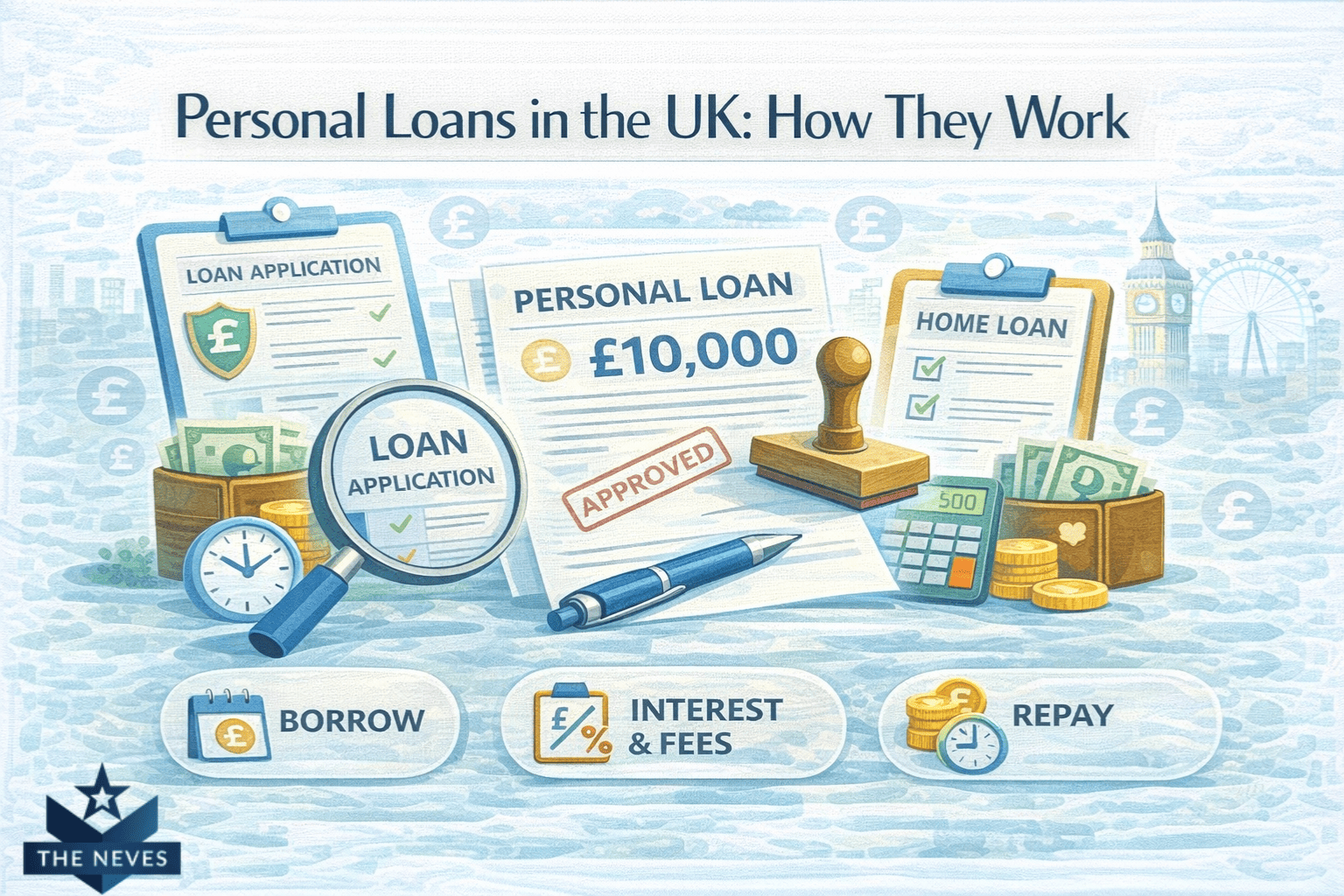
personal loans UK can help consolidate debt or fund projects, and typical unsecured APRs range widely in practice. Think of a loan as a bridge across a short cash gap; check your eligibility, compare quotes and calculate monthly payments before you commit. Curious if one fits your situation?
What are personal loans and how do they work?
Personal loans are fixed-sum credits you borrow and repay in regular instalments over a set term. You get the money up front, then pay back the loan plus interest each month until the balance is cleared.
Types and common uses
There are unsecured loans (no collateral) and secured loans (backed by an asset). People often use personal loans for debt consolidation, home improvements, major purchases or unexpected expenses. Choose a type that matches your risk and purpose.
How lenders assess applications
Lenders check your credit score, income, employment status and monthly outgoings. They run affordability checks to ensure repayments fit your budget. A better credit score usually means lower interest rates and more offers.
Costs: interest, fees and APR
Interest is the core cost, but the APR shows the total annual cost including fees. Check arrangement fees, late payment charges and whether interest is fixed or variable. For example, a £5,000 loan at 7% APR over 3 years would cost roughly £154 per month, including interest.
Repayments and what can go wrong
Repayments are usually by direct debit. Missing payments can lead to fees, higher interest, and a negative impact on your credit file. Some loans charge an early repayment fee; others allow overpayments without penalty. Always read the terms.
Quick checklist before you apply
- Check and improve your credit score if possible.
- Compare quotes from multiple lenders and read the APR details.
- Calculate total cost and monthly payments to match your budget.
- Confirm fees, repayment flexibility and any early repayment charges.
- Consider alternatives like a 0% balance transfer card, a credit union loan, or borrowing from family if cheaper.
Types of personal loans and when to choose each
There are several common types of personal loans, each suited to different needs and credit profiles. Knowing the differences helps you pick a loan that matches your goal and budget.
Common types of personal loans
- Unsecured loan: No collateral required. Rates depend on your credit score. Good for consolidation or one-off expenses.
- Secured loan: Backed by an asset like a car or savings. Usually lower interest but risk of losing the asset if you default.
- Guarantor loan: Another person agrees to repay if you cannot. Useful if you have a poor credit history but need borrowing access.
- Joint loan: Two people share responsibility and credit checks. Can help when one applicant lacks sufficient income or credit.
- Variable vs fixed rate: Fixed rates keep repayments steady; variable rates can fall or rise. Choose fixed for budgeting certainty.
- Short-term or payday-style loans: Very expensive and meant for emergencies only. Explore safer alternatives first.
- Credit union and peer-to-peer loans: Often offer competitive rates and flexible terms, especially for members or well-graded applicants.
When to choose each
Pick an unsecured loan if you have a fair credit score and want a quick decision without risking assets. Consider a secured loan when you need a lower rate and can safely use collateral. Use a guarantor or joint loan to qualify when your income or history is limited.
A fixed-rate loan suits fixed budgets; a variable-rate loan might save money if rates drop, but payments can rise. Avoid payday-style loans unless no other option is available.
Practical examples
If you want to combine three credit card balances into one payment, an unsecured personal loan can lower your APR and simplify payments. If you need a larger amount and can offer a car as security, a secured loan may cut your monthly cost.
Quick decision checklist
- Match the loan type to your purpose: consolidation, home work, large purchase, or short-term emergency.
- Compare APRs, fees and repayment length, not just monthly cost.
- Check if early repayment is allowed without penalty.
- Ask whether the loan affects co-signers or joint applicants before applying.
How lenders assess applications: credit scores and affordability
Lenders review two main things: your credit score and your ability to repay. These checks decide if you get a loan, the rate offered, and the amount you can borrow.
Credit score and history
Your credit file shows how you handled borrowing before. Lenders look for missed payments, defaults or many recent applications. A cleaner history and on-time payments usually mean better offers and lower interest.
Affordability checks
Affordability means proving you can make repayments without hardship. Lenders compare your income to your regular outgoings and essential costs. They often run a stress test to see if you could still pay if interest rates rise or your income drops.
What lenders ask for
- Proof of income: payslips, tax returns or a wage statement.
- Bank statements: recent months to show regular income and spending.
- Identity and address: ID, utility bills or council tax letters.
- Employment details: employer name, contract type and length of service.
Other checks and factors
Lenders may run soft searches first, then hard credit checks when you apply. They note frequency of credit applications, existing loans, and whether you are self-employed. Joint applications or a guarantor can alter the decision and rate.
How to improve your chances
Check your credit report for errors and correct them. Reduce unnecessary spending and avoid new credit applications before you apply. If possible, show steady income, pay down small debts, or consider a guarantor to improve approval odds.
Simple affordability example
If your monthly income is £2,500 and essential costs total £1,700, you have about £800 spare. A loan repayment of £250 would likely be affordable, but lenders also check consistent income and real living costs.
Interest rates, fees and total cost explained
Interest rates are the cost of borrowing. They can be fixed or variable and determine the extra you pay on top of the money you borrow. The APR (annual percentage rate) shows the total yearly cost, including many fees, so it’s the best single figure to compare loans.
Nominal rate vs APR
The nominal rate is the basic interest rate. The APR adds arrangement fees and some other charges to show the real yearly cost. A loan with a low nominal rate but high fees can have a much higher APR.
Common fees to watch
- Arrangement/origination fee: a one-off charge when the loan starts, often a percentage of the amount.
- Monthly admin fees: small ongoing charges added to repayments.
- Early repayment fee: a penalty if you pay the loan off early (check if overpayment is allowed).
- Late payment charges: fixed or percentage fees for missed payments and possible added interest.
- Default fees: larger costs if the loan goes into default, plus damage to your credit score.
Example calculation
Borrowing £7,000 at a 9% annual rate over 5 years gives a monthly repayment of about £145. Total paid is roughly £8,718, so interest costs near £1,718. If an arrangement fee of 1% (£70) applies, your upfront cost and effective APR rise slightly.
Fixed vs variable rates
Fixed rates keep your monthly payment the same, which helps budgeting. Variable rates can fall or rise with the market, so monthly payments may change and your total cost is less predictable.
How to compare offers
Always compare the APR, not just the headline rate. Check the repayment schedule, total amount repayable, and any conditions that add cost later. Use reputable comparison sites to get several quotes and read the full terms and fees.
Tips to reduce the total cost
- Improve your credit score before applying to get lower rates.
- Choose a shorter term to pay less interest, if monthly payments remain affordable.
- Consider a secured loan or a guarantor if you need a lower rate—but weigh the risks to collateral or guarantors.
- Avoid short-term, high-cost lenders unless absolutely necessary.
- Use a repayment calculator to test different terms and fees before signing.
Step-by-step: applying, approval and managing repayments
- Gather documents: have recent payslips, bank statements (3 months), proof of ID and address, and tax returns if self-employed. Keep files clear and ready to upload.
- Compare lenders: check the APR, fees, loan term and customer reviews. Use at least three quotes to spot hidden costs and find the best deal.
- Check affordability: use a repayment calculator to see monthly costs. Ensure your spare income covers the payment plus an emergency buffer.
- Submit the application: complete the form with accurate details. Expect a soft credit check first, then a hard check if you proceed. Upload documents when asked to speed approval.
- Receive and review the offer: read the full agreement, noting arrangement fees, early repayment terms and missed payment penalties. Accept only when you understand all charges.
- Get the funds and set up repayments: funds often arrive within 1–5 working days. Set up a direct debit and save the repayment schedule for reference.
Managing repayments
Keep payments on time to protect your credit score. If you can, make overpayments to reduce interest and term, but check for early repayment fees. Use calendar alerts or a direct debit so you don’t miss a date.
If you miss a payment
- Contact the lender immediately to agree a plan.
- Ask about payment holidays or reduced payments if you face short-term hardship.
- Know that missed payments can lead to fees and harm your credit file, so act quickly.
Practical example
Borrowing £8,000 at about 6% APR over 3 years gives an estimated monthly payment near £244. Small differences in APR or term change the monthly cost, so recalc before you sign.
Quick pre-apply checklist
- Check your credit report for errors and fix them first.
- Reduce unnecessary spending to show stable bank balances.
- Avoid new credit applications for 3 months before applying.
- Confirm who will be responsible for repayments on joint or guarantor loans.
Alternatives and when to avoid a personal loan
Before choosing a personal loan, weigh other options. Some alternatives cost less or suit short needs better. Ask: will a loan lower your overall cost or add risk?
Common alternatives
- 0% balance transfer credit card: useful for moving card debt with no interest for a set period. Watch fees and the end date.
- Credit card: good for small purchases or short-term borrowing, but fees and rates can be high if you carry a balance.
- Credit union loan: member-run lenders often offer fairer rates and flexible terms, ideal for lower-income borrowers.
- Guarantor or joint borrowing: can get better rates if a trusted person supports your application, but it puts their credit at risk.
- Secured loan or remortgage: using an asset like a home or savings can lower interest, but you risk the asset if you default.
- Family or friend loan: may be interest-free or low-cost, but agree terms in writing to avoid disputes.
- Debt management plan or IVA: for severe debt, formal plans with charities or insolvency solutions can reduce payments and protect you from creditors.
- Employer or community support: some employers and local charities offer low-cost loans or grants for urgent needs.
When a personal loan is a good idea
Choose a personal loan to consolidate multiple high-rate debts, fund a planned home project, or when you need a fixed repayment plan. Look for clear APR savings and predictable monthly payments.
When to avoid a personal loan
- Avoid if the APR is very high compared with other options.
- Don’t use one for tiny emergencies that a short-term 0% card or family help could cover.
- Steer clear if your income is unstable or you face job loss risk—missed payments harm credit.
- Avoid secured loans for small sums unless you can safely risk the asset.
- If you already have severe defaults, an IVA or debt advice may be better than a new loan.
Quick practical checks
- Compare total cost, not just monthly payment.
- Check for arrangement, late, and early repayment fees.
- Ask if you can overpay without charge to reduce interest.
- Get free debt advice if you feel overwhelmed—charities can help.
Short example
If you have £3,000 on a card at 18% and can transfer it to a 0% card for 18 months with a small fee, that often beats a personal loan at 10% with a three-year term. Do the math before deciding.
Final thoughts on personal loans in the UK
Personal loans UK can help fund projects or simplify debt, but they are not always the cheapest option. Always compare APRs, fees and terms before you commit.
Consider the loan type, interest rate and your ability to repay. Lenders will check income and credit, so fix any errors on your credit file if possible.
Use calculators to test monthly payments and weigh alternatives like 0% balance transfers, credit union loans or family help. If you are unsure, seek free debt advice to avoid costly mistakes.