
Monthly budgeting plan: How to organise your personal finances effectively
Monthly budgeting plan guide: Practical steps to organise your finances, set clear goals, track expenses, and build better money habits.
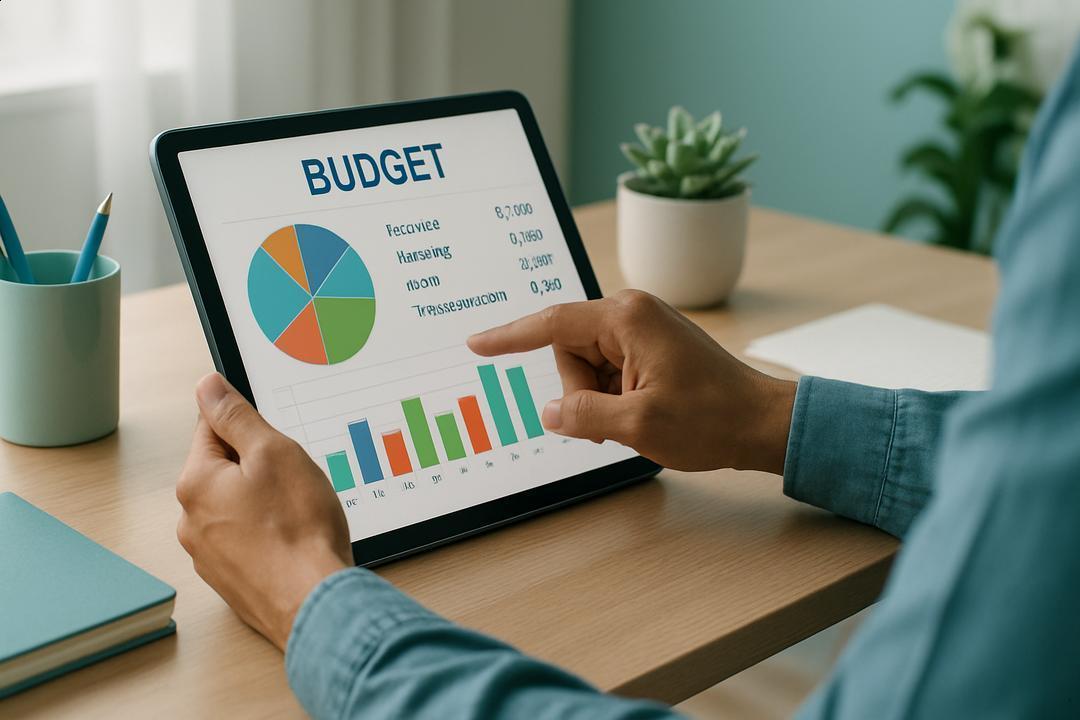
Imagine if your personal finances felt as organised as a well-packed suitcase before a big trip. Everything has its place, nothing forgotten, or bursting at the seams. But for most people, that’s not how money feels. Bills stack up. Spending gets fuzzy. And saving? Always on tomorrow’s list.
A monthly budgeting plan is more than a spreadsheet or a trendy app. It’s the backbone of financial peace, a habit that helps you spot spending leaks, reach savings goals, and avoid those heart-sinking moments when your balance surprises you. Research continues to show that people who budget regularly feel more in control, stress less about money, and are better positioned for the future.
So why do popular fixes and one-size-fits-all templates so often disappoint? They rarely account for real life: income that changes, surprise expenses, or the challenge of sticking to rigid categories when your priorities shift. Many guides skip the honest, practical steps people struggle with, like making adjustments month to month.
This article goes deeper. You’ll get a truly practical roadmap to setting clear goals, tracking and categorising your spending, and adjusting your budget so it fits your actual life. Ready for financial habits that stick? Let’s get started.
Setting financial goals
Setting clear financial goals is the starting point for managing your money with purpose. When you know exactly what you’re aiming for, every budgeting step feels more meaningful and less overwhelming.
Short-term vs long-term savings goals
Short-term savings focus on needs within one year, think building an emergency fund, holiday spending, or paying off a small debt. These should be specific and realistic, like “£1,000 for a rainy-day fund by December.”
Long-term savings cover dreams that take five years or more, such as retirement, a child’s education, or buying a home. Experts suggest starting with short-term stability, then shifting more toward long-term growth as your finances get stronger. For instance, you might use a high-interest savings account for short-term goals and consider investments for long-term ones.
A practical tip: Divide any extra cash 80–90% to short-term needs, and 10–20% for the future, especially early on. Adjust as your situation changes.
Aligning goals with your monthly budget
Make sure your financial goals match what you can actually save each month. Start by listing your essentials, housing, food, transport. Whatever money remains can be put towards your goals.
Many people use a “three-bucket approach”: One bucket for essentials, a second for 1–3 priority goals, and a third for one big future goal. Automate your savings so you don’t have to think about it every month. If your income isn’t steady, base your saving on the lowest amount you expect to earn.
Common goal-setting mistakes to avoid
Vague goals and lack of regular review are the most common mistakes. Avoid saying “I’ll save more” without deciding on a target, time frame, and clear reason, for example, “£5,000 for a used car in 12 months.”
Don’t stretch yourself too thin by chasing too many things at once. Focus on one to three meaningful goals, and review your progress every few months. Life changes, and so should your plans.
Tracking your monthly income and expenses
Tracking your monthly income and expenses shows where your money actually goes, not just where you think it does. This habit is the backbone of honest budgeting and smarter choices.
Best tools: apps, spreadsheets, or pen and paper?
The best budgeting tools are the ones you’ll actually use. Apps like Rocket Money, Goodbudget, and YNAB can automate updates and show insights in real time. YNAB helps you see “zero-based” budgets where every pound has a role.
Spreadsheets (like Excel or Google Sheets) give you full control but require manual updates. Many FIRE followers love spreadsheets for the personal touch. Pen and paper works for those who like to keep things simple and offline.
Aim for a tool that syncs with your bank accounts if you want less effort. Test a few for a week to see what clicks.
Dealing with irregular income streams
If your income jumps around, build your budget around your lowest month. Use the zero-based budgeting method to cover essentials first, then set aside extra in strong months.
Example: Freelancers earning £2,000–£4,000 can set a conservative base, say, £2,500, and save any extra for leaner periods. Experts suggest saving 20–30% of your best months as a buffer.
Identifying hidden or forgotten monthly costs
Track hidden costs or surprise outgoings, it makes a big impact. Apps like Rocket Money and Simplifi find forgotten subscriptions or unused services. Spreadsheets work if you review receipts weekly and add every “small” expense (like coffees or parking fees).
One user found £45 a month in unwanted subscriptions just by checking app alerts. Make reviewing all cash outflows, not just bank payments, part of your monthly routine.
Categorising and prioritising spending
Organising your spending is about knowing the difference between essentials and nice-to-haves. It helps you make sure your cash goes where you need it most.
Fixed vs variable expenses: examples and strategies
Fixed expenses stay the same each month, like your rent, insurance, and subscriptions. These are your non-negotiables.
Variable expenses change up, think groceries, petrol, or meals out. List your fixed outgoing first so you know your basic cost of living. For variable costs, set a flexible target. Some use the 50/30/20 rule: 50% for needs, 30% for wants, and 20% for savings or debt repayment.
Creating priority lists for essential and non-essential spending
Rank your costs from must-pay to nice-to-have. Essentials are things like housing and food. Non-essentials cover things like takeaways, Netflix, or shopping sprees.
Try a three-level list: “Non-negotiables” (rent, food), “Important but flexible” (bus fare, insurance), and “Optional” (entertainment). Build up an emergency fund covering 3–6 months of essentials if you can.
How to prevent budget leaks
Preventing leaks means knowing where your money slips away without notice. Review your transactions weekly to spot anything you forgot, unused subscriptions, impulse buys, or rising bills.
Expert tip: Use cash for fun spending to cap your outgoings, and automate saving transfers. Start by looking at your last three months’ bank statements. Create budgets based on real totals, not guesses, after 30 days.
Choosing the best budgeting method
Choosing a budgeting method is personal. Each approach has strengths, and the best one is the one you’ll actually stick with.
Zero-based budget vs 50/30/20 rule
The zero-based budget means every pound you earn is assigned a job each month. Income minus expenses equals zero, so nothing is left unplanned. This method is great for staying disciplined, especially if you want to smash down debt fast.
The 50/30/20 rule is simple: 50% for needs, 30% for wants, and 20% for savings or debt. If you bring in £2,000 a month, that’s £1,000 to essentials, £600 to fun, and £400 to future goals. This framework works well for people who want less detail but more balance.
Envelope system explained
The envelope system uses physical cash divvied up into labelled envelopes for things like food or transport. When an envelope empties, you stop spending in that category. One real-life example: A family puts £120 for takeaways into an envelope. If it’s gone mid-month, they switch to home-cooked meals. This method is perfect if you struggle to track digital spending or want more control over everyday purchases.
Tailoring methods to different lifestyles
Tailor your budget style to fit your real habits. Zero-based works for detail lovers and goal-crushers. The 50/30/20 rule fits those who prefer keeping it breezy. Envelope budgeting suits people who want a more tactile connection with money. Some experts suggest tracking how you naturally spend for a couple of months before choosing. The most important trick? Flexibility matters, adapt as your life and income change, mix methods if you need to, and stick to what you can maintain month after month.
Adjusting your plan for future months
Adjusting your budgeting plan makes sure it keeps serving your real needs, month after month. Be prepared to change course if something isn’t working.
Analysing what worked, and what didn’t
Review last month’s results and spot where you over- or under-spent. Bring those numbers into your planning for next month. If you blew your eating out budget by £80, cut back for the next month. Experts recommend building an emergency fund covering three to six months of essential expenses. That cushion lets you ride out surprises.
How to adapt when expenses or income change
Start with a fresh cash-flow review each time things shift. List your new income and core expenses. Rank priorities: essentials come first, then debt, emergency savings, and retirement. For example, if you get a pay rise, boost your pension contributions or savings, not just fun spending.
Making financial planning a sustainable habit
Small, regular check-ins give the best results. Try weekly or bi-weekly reviews instead of only once a month. Automate as much as you can, set standing orders for savings, and schedule a specific “budget date” each month. And here’s a top tip: focus on no more than three big goals at a time to stay motivated and make progress stick.
Building long-term confidence with monthly budgeting
Building long-term confidence with monthly budgeting comes from making your plan a regular habit, not a one-off fix. A consistent approach builds trust in your own financial choices, even when things don’t always go as planned.
Many experts say the real shift happens when you start treating your budget like a living document. That means tracking every pound you spend for 30 days, without judgment, then using that data to shape your list of true needs, wants, and savings goals. Sticking to a simple rule, like the 50/30/20 split, gives a clear framework and helps cut stress.
Confidence grows as you automate your good habits. Set up regular transfers to your savings account and check your spending each week for five to ten minutes. Once a month, take 20–30 minutes to review, notice patterns, and adjust. Don’t worry about being perfect; focus on what you’re learning and the progress you make.
If you’re just starting, begin with a small safety net (even £500 helps) and work up to three to six months’ living costs in your emergency fund. Try not to change everything at once. Experts recommend choosing one or two budget categories to improve first, like food or entertainment, before tackling the rest. Long-term financial security isn’t about complicated tricks, it’s about showing up for your budget, month after month, and playing the long game.
Key Takeaways
This article provides practical guidance for mastering your monthly budgeting plan and building confidence with your personal finances.
- Set clear financial goals: Define short-term and long-term targets using specific, measurable amounts and timeframes for increased success.
- Track income and expenses: Use apps, spreadsheets, or pen and paper to capture all incomings and outgoings, including hidden or irregular costs.
- Categorise and prioritise spending: Distinguish fixed from variable expenses, and rank essentials over non-essentials to avoid overspending on wants.
- Choose the right budgeting method: Select from zero-based, 50/30/20, or envelope systems based on your habits and preferred level of structure.
- Adapt your plan monthly: Regularly review what worked and what didn’t, adjusting your budget to reflect changes in expenses or income.
- Build an emergency fund: Work towards holding three to six months’ worth of essential costs in savings for resilience against surprises.
- Automate and review regularly: Set up automatic transfers, check your budget weekly, and focus on improving one or two categories at a time.
- Long-term confidence comes from habit: Consistency, honest review, and flexibility are more important than perfection for financial security.
The main message: monthly budgeting is a skill you can refine with practice—start small, build strong habits, and your financial confidence will grow.