
Best Ways to Manage Monthly Expenses
manage monthly expenses UK: simple, practical strategies to cut bills, track spending and build a realistic budget that fits your life.
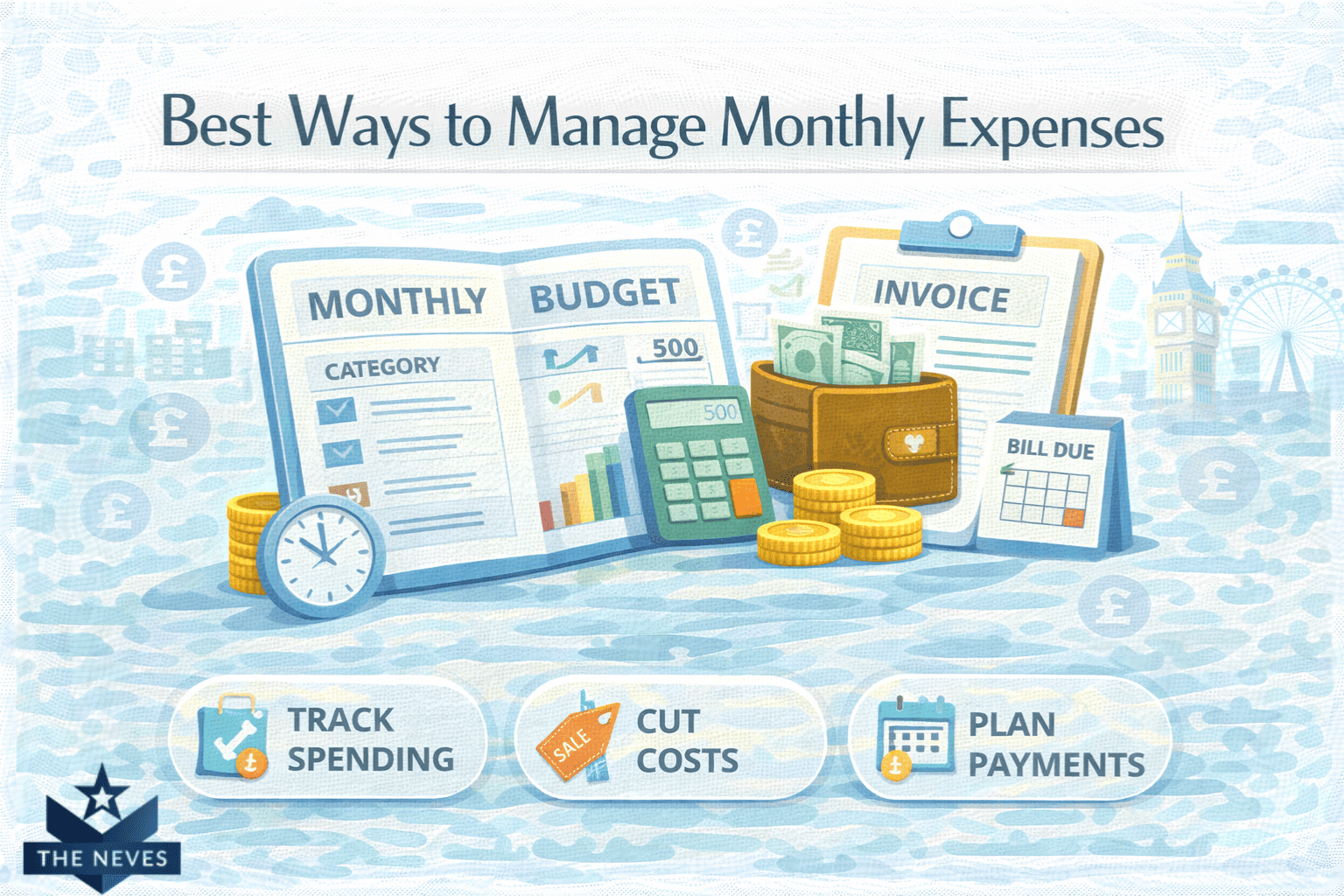
manage monthly expenses UK — feeling squeezed at month-end? Many households face rising bills, so think of your budget like a fuel gauge: small adjustments keep you moving. Try listing fixed costs, tracking two weeks of spending and cutting one easy bill this month.
Understanding your monthly outgoings in the UK
Start by listing every regular payment you make each month. Include fixed, variable and periodic costs so nothing is missed. Small items add up quickly.
- Fixed costs: rent or mortgage, council tax, insurance, direct debits and set subscriptions.
- Variable costs: groceries, utilities that change with use, petrol, entertainment and takeaways.
- Periodic costs: car tax, MOT, annual memberships, holiday or seasonal spending.
How to calculate your average monthly cost
Track all spending for two to four weeks using receipts, bank statements or a finance app. Add the totals for each category. Divide by the number of tracked weeks and multiply by 4.3 to estimate a month. For yearly bills, divide the annual amount by 12 to get a monthly figure.
Practical steps to gather accurate numbers
- Collect one month of bank and card statements and highlight recurring payments.
- Keep a small receipt envelope or use an app to record cash spending.
- Check subscription lists on your bank app and cancel services you don’t use.
- Estimate irregular costs (repairs, gifts) by averaging past 12 months.
Tips to spot quick savings
- Switch energy and broadband providers after checking comparison sites.
- Plan meals and shop with a list to reduce food waste and impulse buys.
- Bundle insurance or compare quotes to lower premiums.
- Use travel cards or combine trips to cut commuting costs.
Keep it simple: a basic spreadsheet or a free budgeting app can show trends and help you set realistic targets each month.
Practical budgeting methods that actually work
Try simple systems you can keep up. Below are clear methods that fit different lifestyles. Pick one and adapt it over a few months.
50/30/20 Rule
Divide take-home pay into three parts: 50% for needs, 30% for wants, and 20% for savings and debt. This is quick to set up and shows if you’re overspending in one area.
Zero-based budgeting
Give every pound a job. At the start of the month, list income and assign each pound to a category until the balance is zero. This forces planning for essentials and fun spending.
Envelope or bucket method
Use physical envelopes or virtual “buckets” for categories like groceries, transport, and entertainment. When a bucket is empty, stop spending in that area until it’s refilled.
Pay yourself first
Automate transfers to savings on payday. Treat savings as a fixed bill. This builds an emergency fund without relying on willpower.
Reverse budgeting
Choose a savings goal first, then plan living expenses from what’s left. This keeps priorities clear if you have a specific target, like a holiday or debt payoff.
Automate and simplify
- Set up standing orders for bills and savings so you don’t miss payments.
- Use one or two accounts to avoid juggling many places for money.
- Enable round-up or spare-change saving features if your bank offers them.
Weekly check-ins and tweaks
Spend 10 minutes each week reviewing spending. Track one habit at a time, like takeaway meals or subscriptions. Small changes add up and keep your plan realistic.
Quick tips: cancel unused subscriptions, compare providers for energy and broadband, and plan meals to cut food waste. Consistency matters more than perfection.
Cutting household bills: energy, broadband and council tax
Start by checking each bill: note the total, tariff name and renewal date. Knowing these dates helps you switch or negotiate before prices change.
Energy bills: switch and save
Compare deals on Ofgem-approved sites and look beyond the headline price. Focus on unit rates and standing charges. Fixed tariffs protect against rises; variable tariffs can be cheaper short-term but may go up. A smart meter shows real-time use and makes small savings easier.
Cut usage with simple habits: set heating to 18–19°C when awake, lower it at night, wash clothes at 30°C, take shorter showers, and unplug idle devices. Fit LED bulbs, draught-proof windows and doors, and check loft insulation to reduce heat loss.
Check eligibility for the Warm Home Discount, energy grants, or the Priority Services Register. Call your supplier to ask about cheaper tariffs, loyalty discounts, or a repayment plan if you’re behind.
Broadband: pick the plan you need
Check your contract end date and test typical speeds at peak times. If you don’t use high speeds, downgrade to a lower tier. Compare providers for sign-up offers and be mindful of long exit fees.
Consider bundling broadband with phone or TV only if the total cost is lower. Try negotiating a better renewal price with your current provider—mention competitor deals and ask for any available retention offers.
Council tax: discounts and reductions
See if you qualify for a single person discount (25%), student exemption, or a council tax reduction for low income. Each local council has its own support scheme—apply online or by phone.
Check your property’s council tax band on the GOV.UK site. If you believe the band is wrong, you can challenge it through the Valuation Office Agency. Keep records of household changes and council correspondence.
Quick actions to start today
- List renewal dates and set calendar reminders.
- Get quotes from at least three suppliers for energy and broadband.
- Sign up for the Priority Services Register if you’re eligible.
- Scan statements to spot unused subscriptions and cancel them.
- Use timers or a basic smart thermostat to reduce heating waste.
Managing food and shopping costs without sacrificing variety
Set a clear weekly food budget and match your meal plan to it. Decide how many dinners you’ll cook at home, then build a shopping list from those recipes to avoid impulse buys.
Meal planning and batch cooking
Plan 3–4 base meals and vary sides to keep interest. Cook larger portions once or twice a week and freeze portions in labeled containers. Batch cooking saves time and makes it easy to eat well without waste.
Smart shopping techniques
- Compare unit prices (pence per 100g) to spot real bargains.
- Choose own-brand or supermarket-brand staples—they often match taste at lower cost.
- Buy loose fruit and vegetables and pick seasonal produce for better prices and variety.
- Use frozen vegetables and berries: they lock in nutrients, reduce waste and add variety.
Stretch ingredients for more meals
Use versatile ingredients like tinned tomatoes, lentils, eggs and rice to create many dishes. Swap proteins across meals—use beans or chickpeas to replace part of the meat for one night to cut costs while keeping texture and flavor.
Spices, sauces and simple tweaks
Add variety with a few key spices, fresh herbs or condiments. A new spice mix or a squeeze of lemon can turn the same base meal into a different dish without adding much cost.
Reduce waste and save money
- Store leftovers in clear containers and date them to use oldest food first.
- Freeze bread, meal portions and ripe fruit to avoid throwing food away.
- Plan “fridge clear-out” meals once a week to use odds and ends.
Use offers wisely
Ignore bulk deals unless you will use items before they go off. Use loyalty apps, supermarket price-match tools and cashback apps for real savings, and check reduced-to-clear shelves for fresh bargains.
Quick habits: shop with a list, avoid shopping hungry, and try one new cheap recipe each week. Small, consistent moves keep your food costs down while keeping meals varied and enjoyable.
Transport and commuting: cheaper options and savings tips
Public transport and discount cards
Use railcards and season tickets to cut long-term costs. In London, pay with Oyster or contactless for daily and weekly capping. Book advance train tickets where possible, travel off-peak and consider split-ticketing for long journeys to find cheaper fares.
Active travel: walking, cycling and scooters
Short trips are cheaper and healthier on foot or bike. The Cycle to Work scheme lets employees buy bikes tax-efficiently. Try a folding bike or e-bike for mixed commutes and use secure parking or storage at work.
Car use, sharing and clubs
If you need a car, reduce costs by car-sharing, lift-sharing, or using car clubs for occasional trips. Combine errands into one trip, avoid unnecessary idling and consider telematics insurance to lower premiums if you drive safely.
Timing, planning and flexible work
Shift your travel times to off-peak if you can. Ask about flexible hours or hybrid work to reduce commuting days. Plan routes in advance to avoid delays and save time and money.
Fuel, maintenance and running cost tips
- Keep tyres correctly inflated and service your car on schedule to improve fuel efficiency.
- Use apps to compare fuel prices and choose cheaper stations.
- Consider a small, fuel-efficient car or an electric vehicle if you drive a lot; check running costs and charging options first.
Employer schemes and tax perks
Ask your employer about season ticket loans, cycle schemes or salary sacrifice options. These can spread costs or reduce tax, making commuting cheaper over the year.
Useful tools and quick habits
Use route planners and ticket comparison apps to find the best fares. Keep a shortlist of reliable options: local bus timetables, train apps and bike-route maps. Small habits—like checking fares weekly and booking early—add up to big savings.
Debt, credit and emergency funds: what to prioritise
Focus on stopping high-cost interest from growing while you build a small safety buffer. Prioritise high-interest debts like payday loans or high-rate credit cards, but also save a starter emergency fund so you don’t borrow for unexpected expenses.
Deciding what to pay first
Two common methods help you choose: the avalanche method (pay highest interest first) and the snowball method (pay smallest balance first). Avalanche saves the most money over time; snowball can boost motivation with quick wins. Always pay at least the minimum on all accounts to avoid fees and credit damage.
Building a starter emergency fund
Begin with a small goal, such as £500–£1,000, held in an easy-access savings account. Once debts with very high interest are under control, aim for three months of essential costs (rent/mortgage, utilities, food) to cover job loss or big repairs.
Managing credit and protecting your score
Pay bills on time, keep credit card use low (target under 30% of the limit), and avoid opening many new accounts at once. Register on the electoral roll and check your credit report for errors. A healthy credit score means cheaper borrowing if you need it later.
When to consider consolidation or balance transfers
Look at balance transfer offers with a low fee or a fixed-rate personal loan if it reduces the total interest and you can pay within the offer period. Read terms carefully: consider promo length, transfer fees and whether you’ll be tempted to use cards again.
Practical steps and automation
- Set up one direct debit to cover minimum payments and another automated transfer to savings on payday.
- Use a simple spreadsheet or app to track debt balances and interest rates monthly.
- Cut one small spending habit and redirect that money to debt or the emergency pot.
Get help if things get hard
If you struggle to meet payments, contact creditors early to ask about hardship options. Seek free, trusted advice from organisations like Citizens Advice, StepChange or the MoneyHelper service. They can help with budgeting, negotiation and formal plans if needed.
Quick priorities: stop high-rate interest, build a small emergency fund, keep payments current, and ask for help early to avoid fees or collection actions.
Tools and apps to track spending and stay on course
Use apps and simple tools to make tracking automatic and painless. Link accounts via Open Banking where possible so transactions import safely and you get a real-time view.
Types of tools to consider
- Bank apps: many UK banks show spending by category and offer instant notifications.
- Budgeting apps: dedicated apps let you set category limits, track progress and see trends.
- Spending aggregators: these combine multiple accounts in one view and help spot subscriptions.
- Savings tools: round-up features, pots or autosaves that move spare change to a savings bucket.
How to set up for success
- Connect accounts and card transactions for a full picture.
- Create clear categories that match your life: rent, food, transport, subscriptions.
- Set weekly or monthly budgets per category and enable alerts for overspend.
- Use rules or tags to auto-categorize repeat payments and reduce manual work.
Make reviews quick and useful
Do a 10-minute weekly check: look at category totals, adjust one budget if needed, and flag any unexpected charges. Use monthly reports to spot trends and set one small goal, like cutting takeaways.
Features that really help
- Real-time notifications for card spending to curb impulse buys.
- Forecasting tools that estimate month-end balance based on planned bills.
- Export options (CSV) so you can keep a simple spreadsheet backup.
- Shared budgets or joint accounts if you manage money with others.
Security and privacy
Choose apps with strong encryption, two-factor authentication and good reviews. Limit permissions to read-only where available and review connected apps regularly.
Quick setup checklist
- Link accounts via Open Banking.
- Create 6–8 practical categories.
- Set one automated saving rule and one spending alert.
- Schedule a 10-minute weekly review and a monthly deep-check.
Small, consistent habits backed by the right tools make it much easier to stay on course and reach your money goals.
Final steps to manage your monthly expenses
Keeping track and making small changes each month makes a big difference. Start with a clear list of your outgoings, pick one budgeting method, and automate savings and bills where you can.
- List fixed and variable costs and set simple category budgets.
- Cut one bill or habit this month (energy, subscriptions, takeaways).
- Build a small emergency fund (£500–£1,000) and pay down high-interest debt.
- Use one app or a simple spreadsheet and do a 10-minute weekly check-in.
Take one small step today—it’s easier to keep going than to start big and burn out. Small, steady actions lead to lasting control over your money.