
Investment strategies to grow your portfolio and minimise risk
Investment strategies explained, explore proven ways to grow your portfolio, manage risk, and reach your financial goals with confidence.
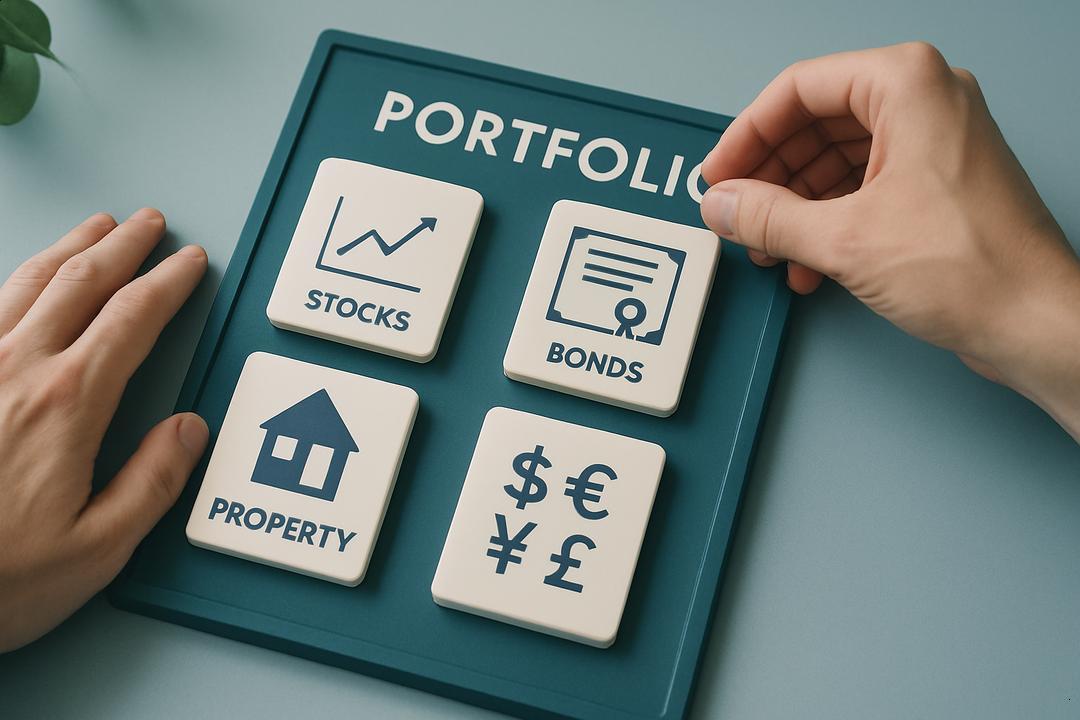
Imagine building a house without a blueprint, risky, right? The same goes for investing without a strategy. If you’ve ever felt overwhelmed by market noise or unsure about the right path to grow your portfolio, you’re not alone.
For many, finding effective investment strategies is a top concern. Between ever-shifting markets and high-profile news about booms and busts, knowing how to balance growth with peace of mind isn’t just a luxury, it’s essential. Recent trends, like the rise of ESG investing and AI-driven funds, only add more choices (and confusion) to the mix.
The problem? Most guides either promise quick wins with little context or leave you lost in financial jargon. What’s missing is a practical, step-by-step approach that connects real-world strategy with your personal financial goals and risk tolerance.
This article is your roadmap. You’ll discover proven investment strategies, learn how to assess your risk, and get tips for making these tactics work for your unique situation. Whether you’re just starting or looking to optimise a growing portfolio, you’ll walk away with clear, actionable insights, no hype, no shortcuts, just smart, evidence-based guidance.
Types of investment strategies
There’s no one-size-fits-all investment approach. People use different strategies to find the right balance between growing wealth and managing risk. Let’s break down the key types, and how they work in the real world.
Value investing vs growth investing
Value investing focuses on finding undervalued stocks, while growth investing targets companies with strong potential to expand.
For example, Warren Buffett is famous for value investing, buying firms that trade below their true worth. Growth investors often buy newer tech firms even if their profits are still small, hoping for big future gains. One way to spot value stocks: look for a low price-to-earnings (P/E) ratio compared to the sector average.
If you want steady progress, mix both styles for balance. Many investors hold well-known value stocks with a few high-potential growth names in their portfolio.
Income-focused and passive strategies
Income-focused approaches use assets like bonds and dividend stocks to create regular payouts, while passive strategies follow market indexes.
Bonds and REITs are classic income sources. Passive options like S&P 500 index funds have gained popularity because they spread risk and usually involve lower fees. Experts often recommend passive strategies for beginners since they don’t need constant adjustment.
If your goal is predictable income or set-and-forget investing, these methods can help limit stress and costs over time.
Active vs passive management
Active management tries to beat the market with research and quick trades; passive management just tracks the market to cut costs and volatility.
Research shows few active managers consistently outperform the market after fees. Passive management, on the other hand, tends to perform well over long stretches, especially for everyday investors. If you’re tempted by the thrill of trading, remember: even experts often advise blending both approaches for a smoother ride.
New trends: Factor-based, ESG, AI-driven approaches
Factor-based, ESG, and AI-driven strategies are reshaping how people invest.
Factor investing selects stocks based on qualities like momentum or volatility rather than just sector or index. ESG investing picks companies with strong social and environmental practices, which is becoming more common as values drive investment choices. AI-driven funds use algorithms to spot patterns or risks, and these are gaining attention for their ability to crunch big data fast.
To try these out, consider a mixed approach: some funds now combine ESG filters or AI models with traditional styles, giving your portfolio a future-ready edge.
Assessing your risk tolerance
Understanding your risk tolerance is the secret to building a portfolio that actually fits you, not just the market’s mood. It helps you stick to your plan when things get rough, and make smarter choices in the long run.
How risk tolerance shapes your portfolio
Your risk tolerance decides how much risk you can handle and shapes your asset choices.
If you’re conservative, you’ll favour steady options like bonds and savings accounts. Aggressive investors pick more shares or new companies, aiming for bigger gains. According to research, a mismatch, like a conservative investor holding risky stocks, can lead to panic selling during a 10% market drop, hurting growth over time. As experts say, “Tolerance is the emotional and financial capacity to support temporary losses without taking impulsive decisions.” To find your level, picture how you’d react in a tough market, could you wait it out, or would you want to sell?
Practical risk assessment methods
Risk assessment tools help you figure out the style that matches your comfort zone.
The most common are questionnaires that ask how worried you’d be about losses or volatility. Scenario tests imagine your response to a sudden crash. Another approach is checking your risk capacity: how much loss your finances can absorb. These help sort you into aggressive, moderate, or conservative groups. Try a free online risk quiz or talk with a financial planner for a clear starting point.
Time horizon and financial goals
Your time horizon and goals are just as important as your personal feelings about risk.
With a long-term goal, like retirement in 20 years, you can usually take more risk because there’s time to recover from market dips. If you need your money soon, say, for a home purchase, less risk is wiser. Make sure your age, experience, and deadlines all line up with your portfolio’s mix. Always check that your investments support your real plans, not just what sounds good right now.
Diversification and asset allocation
Diversification and asset allocation are your main tools for reducing risk and smoothing your investment ride. Instead of betting on one winner, you build a mix that works together, even if one part struggles.
Basics of diversification
Diversification means holding different types of investments, not just more investments.
Research suggests you can capture 85–90% of the benefit with just 15 to 25 well-chosen assets. The key is picking things that don’t all go up or down at the same time, like mixing shares, bonds, property, and even international funds. For example, a simple mix could be 60% fixed income, 20% stocks, 10% property funds, and 10% in overseas markets.
Actionable tip: Aim for assets that have low or negative correlation so your portfolio can weather surprises.
Asset allocation strategies by investor profile
Your asset allocation should match your age, goals, and risk level.
Conservative investors might choose more fixed income and limit stocks to stable sectors. Younger or more risk-tolerant people often shift towards equities or international exposure. Experts encourage even conservative investors to split fixed income across 3–5 banks and use different types of bonds.
If you’re unsure, start with emergency savings, then build your investment mix around your timeline and comfort with ups and downs.
Avoiding common diversification mistakes
Don’t confuse diversification with just owning lots of things.
A common mistake is buying many assets from the same sector, which doesn’t protect you when that sector falls. Real diversification means picking investments that move in different ways, and across different timeframes and regions. As one expert put it, “Diversification isn’t just about assets, but also timelines and geography.”
Review your holdings regularly. Make sure they protect you from both sudden market shocks and longer-term changes.
Tips for effective strategy implementation
It’s one thing to pick an investment strategy, it’s another to make it work every day. Success comes from turning good ideas into regular habits that keep you on track, especially when markets get shaky.
Setting and reviewing strategy goals
Clear, measurable goals make it easier to follow your strategy and adjust as needed.
Experts recommend setting SMART goals: specific, measurable, achievable, relevant, and time-bound. Link your strategy to your real budget, and focus on no more than 3–5 top objectives. Regular check-ins, like monthly progress reviews or calendar reminders, help you spot drift before it becomes a problem.
Try using a scorecard or progress chart to keep your goals in sight, and don’t forget to review what worked and what didn’t after big milestones.
Automating investments and portfolio rebalancing
Automation keeps your portfolio balanced and helps you stick to your plan without constant effort.
Set up automatic deposits to your investments. Many platforms let you automate rebalancing so your target allocation stays on track, even if markets shift. Some firms saw trading mistakes drop by 40% after using automated tools, saving time and reducing errors.
If you’re DIY, set alerts for when your mix drifts off target by 5% or more, so you can fix it fast.
Keeping emotions in check during volatility
Discipline and clear rules help you stay calm when markets become unpredictable.
Use data, not headlines, to decide changes. Regular check-ins with your plan (or a trusted friend) can curb knee-jerk moves. Experts say openness and honest conversations reduce anxiety about bumpy periods.
Try this tip: Apply a “cooling-off” rule, wait 48 hours before changing anything after big market news. It gives your strategy space to work and reduces the chances of panic trades.
Building lasting wealth through strategic investing
Building lasting wealth is about consistent, strategic investing, not chasing hot tips or short-term gains.
Successful investors focus on steady growth, broad diversification, and the power of compound returns over years or decades. Research highlights that mixing asset classes, say, 30% stocks/70% bonds for conservative savers, or 80% stocks/20% bonds for aggressive ones, lets you adjust risk for your comfort zone and goals. Tax-efficient accounts like 401(k)s and ISAs can significantly boost what you keep over time, simply by cutting the taxes every year.
Real-world strategies? Try dollar-cost averaging, invest a set amount each month, no matter the market mood. Focus on broad, low-fee index funds or ETFs, and reinvest any dividends to supercharge compounding. Many use practical rules like the 50/30/20 method (50% needs, 30% wants, 20% saving/investing) to make wealth-building part of normal life, not just a side project.
Expert investors warn: “Emotions destroy more wealth than downturns… strategy over reaction, patience over panic.” So set SMART goals, rebalance your mix every quarter, and resist the urge to jump in or out of markets based on headlines. The earlier you start and the more consistent you are, the bigger your gains will grow, almost automatically, thanks to time and compounding working together.