
Household budget planner: Manage your finances with effective tools
Household budget planner: take control of your money, set savings goals, and reach financial peace. Discover tools and tips that actually work.
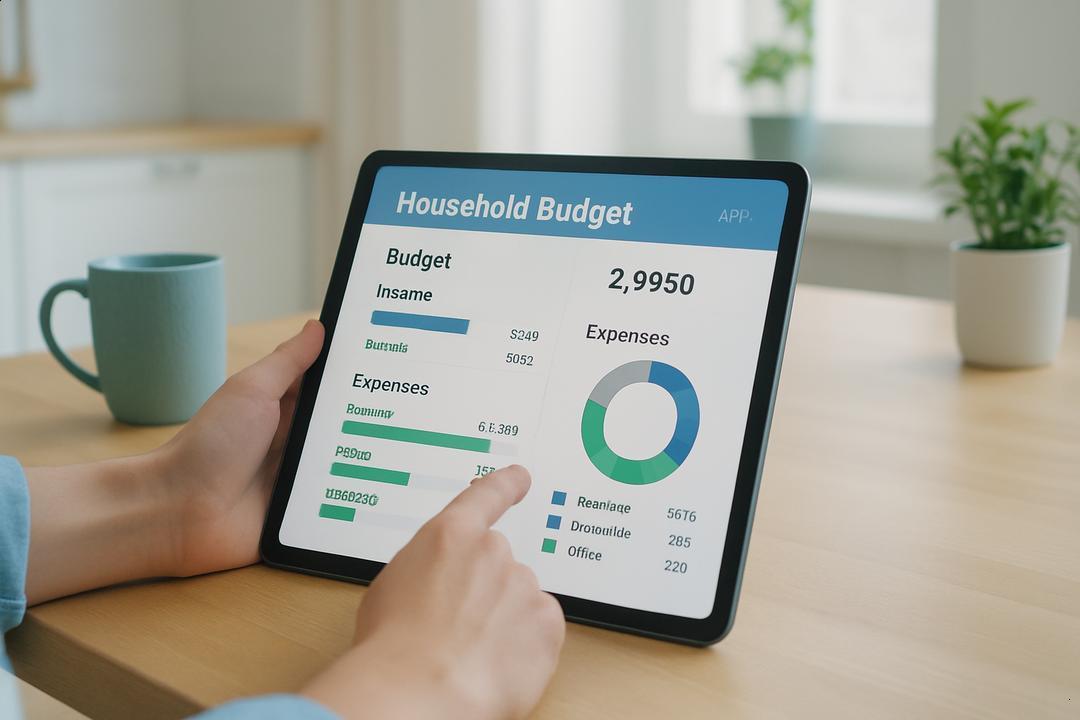
Ever feel like your money has a mind of its own? One unexpected bill, and your plans for saving or splurging are in ruins. Building a predictable system for your cash can seem impossible, especially if you juggle family, rent, utilities, and daily surprises.
Every year, a growing number of adults search for ways to manage their finances better. According to experts, using a household budget planner is one of the simplest and most effective steps you can take to gain a clear picture of where your money really goes. But the truth is, even motivated people often abandon basic budget spreadsheets or apps after just a few weeks.
Why do most household budget tools gather digital dust? Often they lack flexibility, ignore the reality of irregular income, or simply don’t fit your unique priorities. Generic “quick fixes” rarely teach you to make decisions about needs versus wants or how to deal with big, less-frequent expenses.
This article goes deeper than the usual advice. I’ll walk you through what matters most in a household budget planner, answer popular questions, tackle common roadblocks, and share expert-backed methods to create a financial system you’ll actually stick with. Let’s build clarity and control, starting today.
Benefits of using a household budget planner
There’s a reason so many experts recommend using a household budget planner. Tracking what you earn and spend offers benefits that go beyond simple math. Let’s explore the biggest reasons why making a plan can actually change your financial outlook, sometimes within just a month or two.
Improved financial awareness
A clear view of spending is the biggest benefit.
When you use a planner, you see exactly where your money goes: groceries, subscriptions, takeaways, bills, all mapped out. Surveys suggest almost 99% of people who budget say it helps them manage money better. You can spot patterns you never knew existed, then decide what really matters to you. One practical tip: review your spending categories every week for surprises.
Reduced overspending and debt
Budgeting helps reduce unnecessary expenses and cut debt.
A planner matches what you earn against what you spend, so you’re less likely to swipe your credit card just to get through the month. Research links consistent budget use to lower credit card debt and less anxiety about repayments. Real-world example: allocate a set amount for “fun” each month, when it’s gone, pause non-essentials until the next cycle.
Stress-free savings planning
Budgeting removes much of the stress around saving.
When you build saving into your monthly budget goals, you prepare for emergencies and bigger dreams, like holidays or a new car. Many report feeling more confident about money and less anxious about surprise expenses. One tip: start a separate “just in case” fund and automate a small amount each payday. Over time, the peace of mind can be life-changing.
Key features to look for in planners
Choosing the right budget planner means looking past flashy features. Real value comes from the basics: tracking what matters and making your life simpler, not more complicated. Let’s break down three features that make managing money easier for real families.
Customisable expense categories
The best planners offer customisable expense categories.
Experts recommend sticking to 8–12 main categories, enough to cover real life, but not so many you get lost. Avoid catch-all labels like “Miscellaneous” if you can, or keep them under 5% of your spending. Popular apps like Quicken Simplifi let you use unlimited categories and even tags for extra detail. Try reviewing your last 90 days of spending before setting your main categories.
Automatic syncing of transactions
Automatic syncing saves time and prevents mistakes.
Digital planners that link to your bank or credit cards mean you don’t have to key in expenses one by one. This feature means your information is always up to date. A practical example: make a habit of checking uncategorised items each week while your memory is fresh, so you never miss a cost.
Visual tracking of savings goals
Visual tracking features keep you motivated.
Look for planners with interactive dashboards or goal pages that show your progress as colourful charts or graphs. Experts say setting savings as a fixed category, like aiming for 20% of income, helps make goals real. Use these visual tools to watch your emergency fund or holiday savings grow month by month, celebrating each milestone with your family.
Step-by-step guide to creating your budget
Building a budget gets easier once you break it into three steps. You’ll see where your money really goes, no more guessing or hoping for the best. Here’s how you can build a plan that works for you, not against you.
Calculating your total income
Start with your monthly after-tax income.
This is your net income, what actually lands in your bank account after taxes and deductions. Add wages, freelance payments, benefits, and anything extra. Example: if last year you made $48,000, your estimate for each month is $4,000. Be honest and always use net numbers, not your contract salary.
Listing all fixed and variable expenses
List your fixed and variable expenses for the month.
Fixed expenses don’t change much: rent, car payment, insurance. Variable expenses are groceries, travel, eating out, anything that shifts. For stronger budgeting, label each spend as a ‘need’ or ‘want’. Tracking your daily spending, even for a week, will show where money leaks fastest. For example, fixed rent: $1,200. Average groceries: $400. That’s most of the basics covered.
Choosing your budgeting method
Pick a budgeting method that fits your lifestyle.
Many people choose the 50/30/20 rule. With $4,000 monthly, that’s $2,000 for needs, $1,200 for wants, and $800 to savings or debt. Make sure your plan fits your priorities, review and adjust at least once a year, especially after big changes. Double-check: your total budget should never go over your income.
Tips for sticking to your household budget
Knowing where your money should go is one thing, sticking to the plan is where most people get tripped up. Here’s how to make your budget work with your lifestyle, so it actually lasts.
Automating savings transfers
Automate savings transfers to make it effortless.
Set up an automatic transfer to your savings account on payday. Experts call this “pay yourself first”, move your money before you can spend it. For example, shifting $200 automatically to a savings fund helps you build a buffer without thinking or trying to remember each month.
Tracking spending daily or weekly
Track spending weekly to stay honest with yourself.
Don’t wait until month’s end. Many specialists recommend reviewing expenses every week. Try tracking every payment for two weeks, use an envelope for food money, or a separate card if it helps. This way, small overspends never become a bigger problem.
Adjusting categories as life changes
Adjust categories as life changes, not just once a year.
Look at your budget every month. Has something changed, income, bills, new needs? If your salary drops, trim the “wants” category right away to keep your safety net secure. Experts suggest using a six-month average if your bills jump around (like petrol or groceries), so your categories always fit real life.
How effective planning can transform your family’s financial future
Effective planning can transform your family’s financial future by building stability, security, and wealth over time.
Research shows that families who budget, set clear savings goals, and diversify their income enjoy stronger financial health. Many experts recommend following the 50/30/20 rule, using 50% of income for needs, 30% for wants, and 20% for savings or debt payments. Saving 3-6 months of living expenses helps prepare for job loss or unexpected bills, reducing financial panic when life changes suddenly.
Real families benefit from automating savings into a high-yield account and taking advantage of workplace retirement plans or employer-matched pensions. Setting SMART goals, Specific, Measurable, Achievable, Relevant, and Time-bound, makes it easier to pay down debt, save for college, or plan a dream holiday. Family financial coaches often stress the value of reviewing your finances quarterly and involving everyone in the plan. “It is a conscious effort to identify family values and allocate resources accordingly,” says accredited coach Andy Hill.
Want a simple tip to start? Hold a family “money meeting” once a month. Track progress together, celebrate small wins, and make changes as your family grows. Planning ahead means more than just surviving, it’s about reaching your goals together and feeling confident, no matter what tomorrow brings.
Key Takeaways
This article equips you with proven strategies and insights to master household budgeting and improve your family’s financial future.
- Budget planners boost awareness: Mapping income and expenses provides clarity on where your money really goes.
- Customisable categories matter: Using 8-12 tailored categories prevents overwhelm and helps focus on what counts most for your family.
- Automatic syncing saves time: Linking planners to bank accounts reduces manual errors and keeps your information up to date.
- Visual goal tracking motivates: Interactive dashboards and progress charts make saving for big goals like holidays or a car easier to track and celebrate.
- Build a robust emergency fund: Experts recommend saving three to six months of expenses to protect against job loss or unexpected bills.
- Adapt categories with life changes: Regularly reviewing and updating your budget ensures it reflects current priorities, income, and needs.
- Consistency is key: Weekly reviews, automating transfers, and involving family members strengthen budgeting habits and outcomes.
With practical tools and a flexible approach, effective budgeting lets your family thrive, plan ahead, and stay resilient in changing times.