
How to Avoid Financial Scams in the UK
financial scams UK: Learn to spot common frauds, protect your money and act fast with clear, practical steps anyone can use.
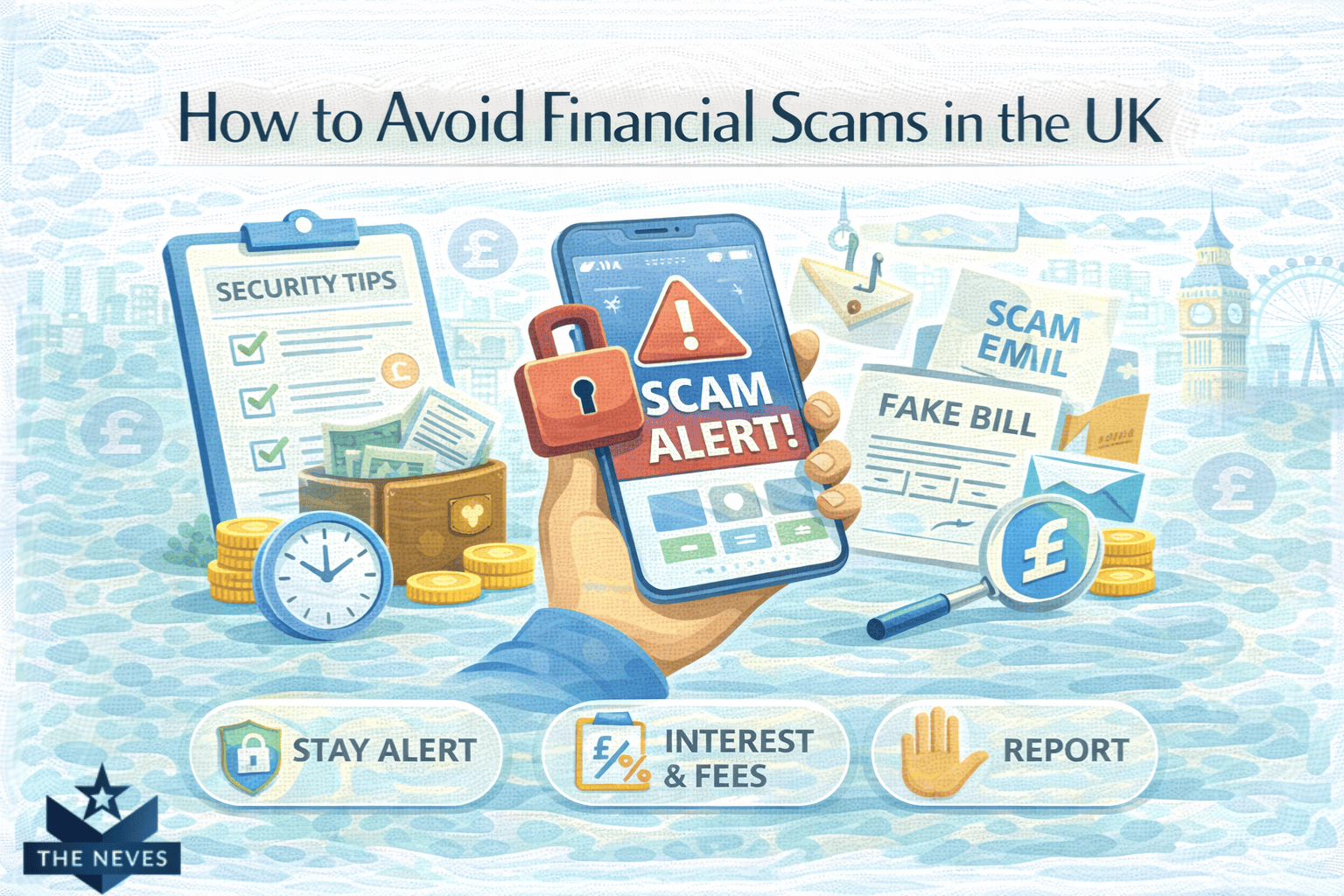
financial scams UK are changing all the time — phone calls, fake investment pitches and cloned websites pop up daily. Curious how to tell the real from the trick and keep your money safe? This short guide gives practical, everyday steps you can try now.
Common financial scams in the UK and how they work
Phishing emails and fake sites are very common: messages that look like they come from your bank or a government body ask you to click a link and sign in. These pages copy logos and layout to trick you into entering passwords or card details.
Phishing emails and fake websites
Scammers send emails with urgent warnings, unexpected attachments, or links that don’t match the official website. A safe check is to hover over the link to see the real address and never enter details after following an email link.
- Look for mismatched URLs and poor spelling.
- Be wary of attachments you didn’t expect.
- Check the sender’s email address, not just the display name.
Vishing: phone scams
Phone calls often claim to be from your bank, the police, or HMRC. The caller uses urgency or fear: “Your account is frozen” or “You owe tax.” They may ask for a one‑time code or ask you to move money to a ‘safe’ account.
- Never give card details or security codes to a caller.
- Hang up and call the official number on your bank card or statement.
Smishing: text message scams
Text messages can mimic delivery firms, banks, or agencies and include a link to a fake site. These messages often pressure you to act now to avoid a penalty or missed delivery.
- Type the company’s known website into your browser instead of tapping links.
- Delete unexpected texts asking for personal information.
Investment, pension and advance-fee scams
Offers of high returns, early access to pensions, or guaranteed investments are classic traps. Scammers use slick websites and fake reviews to build trust, then demand upfront fees or requests to transfer funds.
- Check the FCA register for regulated firms in the UK.
- Be cautious of pressure to decide quickly or move money overseas.
Online marketplace and purchase scams
Fake listings, bogus invoices, or requests for payment outside the platform are common. Scammers may ask for cash, bank transfer, or to be paid before sending goods that never arrive.
- Use platform payment systems and read seller reviews.
- Meet in safe public places for local sales and inspect items before paying.
Impersonation of official bodies
Scammers often impersonate HMRC, the council, or utilities and ask for payment by voucher, gift card, or bank transfer. HMRC will not demand immediate payment by gift card or threaten arrest over the phone.
How scammers persuade and profit
Scammers rely on urgency, authority, and emotion. They create believable stories, fake documents, or cloned sites to lower your guard. A simple pause can stop many scams.
- Pause and verify: call organisations using official contacts.
- Type websites yourself and check the FCA or Action Fraud pages.
- Use two-factor authentication and monitor statements regularly.
How to spot red flags: messages, calls and fake websites
Many scams hide in everyday messages. Learn the quick checks that reveal fake emails, calls and websites.
Check the sender and link
Hover over links to see the real web address and compare it to the official site. Fake URLs often add extra words, strange endings, or small spelling changes. Check the sender’s email address, not just the display name. Do not enter passwords or card details after following an email link.
Watch for pressure tactics
Scammers create urgency with threats, short deadlines, or tempting offers. If a message tries to make you act immediately, pause. Legitimate organisations rarely demand instant payment by phone or text.
Look for poor language and odd attachments
Typos, odd phrasing, or unexpected attachments are common signs of fraud. Official messages usually use clear, consistent language and proper branding.
Inspect the website security carefully
A padlock icon alone does not prove a site is safe. Check the full domain name and be cautious of sites that ask for unusual details. When unsure, type the company’s known address into your browser yourself.
Verify by other channels
Call the organisation using a phone number from their official website or your bank statement — not the number in the message. Ask someone you trust or contact your bank if you feel uncertain. Never share one‑time codes, passwords, or full card numbers with callers or texts.
Simple checks you can do now
- Hover over links and inspect the URL before clicking.
- Search the company name plus “scam” to see reports.
- Keep software updated and use two‑factor authentication.
- Report suspicious messages to your bank and Action Fraud.
Protecting your accounts: banking, cards and online services
Use strong, unique passwords for each account and store them in a trusted password manager. Short, reused passwords are easy to crack.
Enable two-factor authentication
Turn on two‑factor authentication (2FA) for your bank and key online services. Use an authenticator app or hardware key when possible instead of SMS, which can be intercepted.
Monitor accounts and set alerts
Set up transaction alerts by text or app and check statements weekly. Small, unusual payments can be an early sign of fraud.
- Review pending and completed transactions.
- Report any unknown charge immediately to your bank.
Protect cards and PINs
Keep your card in a safe place and never share your PIN. Cover the keypad at cash machines and avoid letting others handle your card during payments.
Secure your devices
Keep your phone, tablet and computer updated with the latest security patches. Use a screen lock and install a reputable security app. Avoid banking on public Wi‑Fi or use a VPN if necessary.
Use official apps and websites
Access bank services through official apps or by typing the correct web address yourself. Never log in from links in emails or texts. Check that the domain matches your bank and that the site looks consistent with the real service.
Control payment methods
Set payment limits and prefer card payments via secure platforms. If your bank offers a temporary card freeze or virtual card numbers for online shopping, use them to reduce exposure.
- Consider a virtual card for one‑off purchases.
- Enable biometric login on your banking app for extra security.
If you suspect compromise, lock or freeze the account, change passwords, and contact your bank immediately. Quick action limits loss and helps recover control.
What to do if you’ve been targeted or scammed
If you think you’ve been targeted or scammed, act quickly to limit harm. Small, fast steps often stop larger losses.
Contact your bank or card provider
Call your bank straight away using the number on the back of your card or the official website. Ask them to block the card, cancel payments, or freeze the account. Confirm any emergency actions in writing and note the time and name of the person you spoke to.
Stop further payments and secure accounts
Cancel any scheduled transfers and change passwords for affected accounts. Use a different device if you think your phone or computer is compromised. Enable two‑factor authentication where possible.
Gather and preserve evidence
Save emails, text messages, screenshots, and call records. Keep transaction receipts and any reference numbers. Do not delete messages until you are told it is safe, as these are useful for investigations.
Report the scam to official bodies
Report to Action Fraud (the UK national fraud reporting center) and follow their guidance. If the scam involves investments or financial firms, check the Financial Conduct Authority (FCA) and report suspicious firms. Your bank may also have a dedicated fraud team.
Check your credit and consider protections
Check your credit file with major UK agencies and look for unknown accounts or searches. You can place a fraud alert or freeze on your credit file and consider a credit monitoring service or identity protection if advised.
When to contact the police
If you suffered a significant loss, threats, or identity theft, contact local police and obtain a crime reference number. This can help with bank claims and insurance.
Get support and follow up
Seek help from Citizens Advice or a fraud support service for steps on reclaiming funds and preventing repeat scams. Keep a timeline of actions you take and follow up with your bank and reporting agencies until the issue is resolved.
- Write down dates, amounts and who you spoke to.
- Ask for confirmation emails after each report or action.
- Be wary of anyone offering to recover lost money for a fee — this can be a further scam.
Reporting scams: who to contact and when
If you need to report a scam, act quickly and contact the right organisations to limit harm.
Immediate actions
Call your bank straight away using the number on the back of your card or the bank’s official website. Ask them to block cards, stop payments or freeze accounts. Note the time and the name of the person you spoke to.
Report to national and local authorities
For most fraud in England and Wales, report to Action Fraud. If you are in Scotland, contact Police Scotland; in Northern Ireland, contact the PSNI. For threats or if you are in immediate danger, call 999.
Contact financial regulators and services
Report suspicious firms or investment offers to the Financial Conduct Authority (FCA) and check the FCA register before investing. For payment disputes or unresolved complaints, the Financial Ombudsman Service can help after you have tried the firm’s complaints process.
Report platform and online fraud
Report fake listings, phishing pages or scam messages to the website or app where they appeared. Use the platform’s reporting tools and do not communicate further with the seller or sender. Save screenshots and message headers as evidence.
Data breaches and identity concerns
If your personal data was exposed, contact the Information Commissioner’s Office (ICO) and consider placing a fraud alert or freeze on your credit file. Citizens Advice and Trading Standards also provide local help for consumer harm.
What to include when you report
Provide clear details: dates, times, amounts, bank reference numbers, screenshots, phone numbers, email addresses, and any transaction receipts. Keep originals and copies. Ask for a crime or reference number and confirmation of the report.
Follow-up and protect yourself
Keep a timeline of actions and follow up with your bank and reporting agencies. Be wary of anyone who offers to recover lost money for a fee — this is often a further scam. Act early and keep records to improve the chance of recovery.
Practical steps to prevent identity theft and phishing
Limit the personal data you share and keep records safe. Scammers use small details — like your birthday or address — to pretend to be you. Treat personal information as valuable and share it only when necessary.
Secure passwords and accounts
Use long, unique passwords for every account and store them in a trusted password manager. Enable two-factor authentication (2FA) on banking and email accounts, preferring an authenticator app or hardware key over SMS where possible.
- Create passphrases instead of single words.
- Change passwords after any suspected breach.
- Review and revoke unused app permissions.
Protect devices and networks
Keep phones, tablets and computers updated with security patches. Install reputable security software and use a screen lock. Avoid banking on public Wi‑Fi; if needed, use a VPN to encrypt your connection.
Be cautious online and on social media
Limit personal details on social profiles and think before you click. Never enter passwords or payment details from links in emails or texts. Check URLs by typing the address yourself and verify requests by contacting the organisation through an official channel.
Secure physical documents and mail
Store important papers in a locked place and shred bank statements, bills and ID documents before disposal. If you move or travel, use Royal Mail’s redirection service and consider a locked letterbox or secure mail handling to reduce theft risk.
Monitor credit and accounts regularly
Check bank statements and credit files often for unfamiliar activity. In the UK, review reports from major credit reference agencies and consider adding a fraud alert or protective notice if you suspect misuse.
- Set transaction alerts on your bank app.
- Sign up for free credit report checks and review them monthly.
Use safer payment methods
Prefer secure payment platforms and card payments that offer buyer protection. For online shopping, consider virtual card numbers or one‑time card details when available to limit exposure.
If you suspect identity theft or phishing
Act fast: change passwords, contact your bank, and report the scam to Action Fraud. Keep copies of suspicious messages and a record of actions taken to help investigations.
Advice for vulnerable people and those who support them
If someone you support is at higher risk of scams, put clear protections in place and keep communication simple. Small changes help reduce pressure and mistakes.
Recognize common risks
Vulnerability can come from isolation, poor health, memory loss or low tech confidence. Scammers use charm, urgency or fake authority to exploit these situations. Watch for unusual requests to send money, share codes, or provide personal details.
Set up safe legal and banking arrangements
Consider a Lasting Power of Attorney (LPA) so a trusted person can act legally if needed. Ask the bank about a named contact, third‑party mandate or vulnerability team. Use official forms and avoid sharing online logins directly.
Practical daily protections
- Enable transaction alerts and set low spending limits where possible.
- Use simple card controls or virtual cards for online purchases.
- Block or screen unknown callers and use voicemail to screen messages.
- Keep important documents locked and shred old statements.
How supporters should act
Always get written consent before managing someone else’s money. Sit with them for online steps, type website addresses yourself, and verify requests by calling organisations on official numbers. Never share one‑time codes, passwords or full card details via email or phone.
Responding to a suspected scam
If a scam is suspected, contact the bank to freeze accounts, report to Action Fraud, and keep records of messages and transactions. In serious cases, contact local police and social services for safeguarding support.
Where to find help in the UK
Trusted sources include Age UK, Citizens Advice, Trading Standards and your bank’s vulnerable customers team. Seek legal advice for LPAs or deputyship if long‑term help is needed.
- Keep a short checklist of steps to follow if a suspicious message arrives.
- Use clear, repeated instructions for the person you support so they know what to do.
Record every action and keep copies of reports and correspondence to help recover funds and support investigations.
Keep control and act early
Stay alert to unexpected messages, calls and websites. Simple checks like hovering over links and calling official numbers can stop many scams.
Secure your accounts with long, unique passwords and two‑factor authentication. Monitor statements and set alerts so you spot odd activity fast.
If you are targeted, contact your bank, report to Action Fraud, and keep records of messages and transactions. Quick action helps limit loss and speeds recovery.
Protect people who are vulnerable by setting clear safeguards and using trusted support services. Reach out to Citizens Advice or your bank’s vulnerability team for help if needed.