
Easy ways to save money: Simple tips anyone can follow every day
Easy ways to save money, even on a tight budget. Discover daily tips and practical hacks anyone can start using right now.
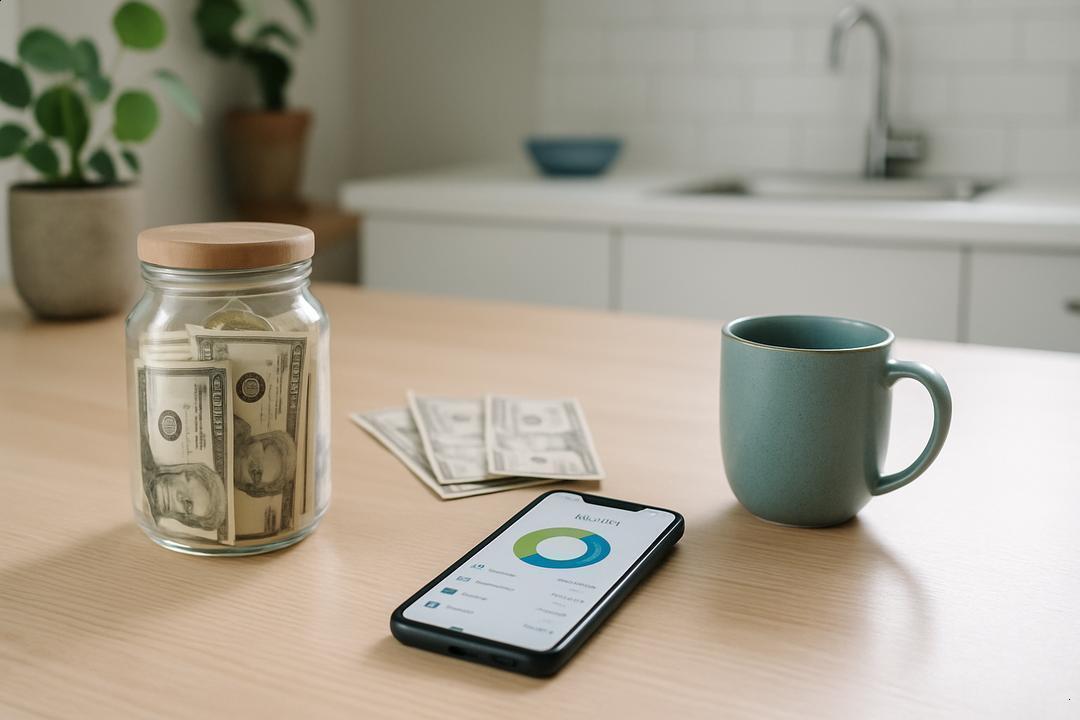
Ever find that your paycheque disappears faster than expected, no matter how hard you try to rein it in? You are not alone. Saving money often feels like trying to fill a bucket with a tiny leak at the bottom, it adds up over time, but the losses feel invisible at first.
For many, easy ways to save money have become a priority as everyday costs rise. From groceries to streaming subscriptions, it often seems like everything wants a slice of your wallet. Surveys and financial experts consistently show that small, regular savings win out over dramatic, one-time cutbacks. The trick is knowing where to look and which habits help most.
The problem? Most advice you find is either painfully obvious or simply not practical in daily life. Generic lists tell you to “stop buying coffee out” or “cut the cable cord”, but ignore crucial details, like how to stay motivated, track progress, and fit saving around your real world responsibilities.
This article goes beyond the basics. You will find practical, stress-free money saving tips, smart grocery strategies, and clever ways to make discounts and cashback work for you. If you want an easy, actionable guide for building better habits, without giving up everything fun, you are in the right place.
Cutting everyday expenses
Want to spend less without feeling like you’re missing out? Cutting everyday expenses is all about small, repeatable changes, not sacrifice. When done right, you’ll barely notice your lifestyle has changed, but your savings will definitely grow.
Identify recurring costs to cut (subscriptions, utility usage)
Start by mapping all your expenses, especially those that show up each month without you thinking about them.
Non-essential subscriptions like streaming, magazines, or rarely-used apps are usually the low-hanging fruit. Experts suggest rotating paid services, keep one video and one music platform at a time, instead of all at once. You can also swap to prepaid mobile plans if your actual data usage is less than you pay for.
Don’t forget to review utility bills. Small actions, like unplugging electronics or turning water heaters to 120°F, can noticeably cut electricity or gas costs.
“The first step is to map all your expenses, without skipping even the smallest ones,” says Viviane Ferreira, a certified financial planner.
Simple lifestyle tweaks that add up
Little daily changes can bring steady savings, they add up more than you think.
Try cooking more meals at home instead of takeout. Planning weekly lunches (“marmitas”) and bringing a reusable water bottle can save several pounds a week. Another habit: stick to a shopping list to avoid impulse buys.
Set a “no spend” day each week (“day zero”). On this day, you commit to spending nothing at all, just one day can shift your overall habits.
Tools for tracking small daily savings
Track your spending daily, as soon as you buy something. This creates instant awareness, making it easier to spot leaks in your budget.
Spreadsheets, apps, or even paper notebooks work. The trick is writing every purchase down, big or small, in real time. Many people use the 50/30/20 rule to split their income: 50% for needs, 30% for wants, 20% for savings or debt.
Consider “automatise your savings” by setting up an automatic transfer on payday. Quick tip: even £1 a day adds up to £365 a year, proof that small daily discipline works.
Setting a realistic monthly budget
A realistic budget is not about strict rules, it’s about finding balance and being ready to change as your life does. The popular 50/30/20 rule is a starting point, but the most important step is to split your income in a way that fits your reality.
The 50/30/20 rule explained
This rule divides your after-tax income into three clear categories: 50% for needs, 30% for wants, and 20% for savings or debt.
For example, if you bring home £4,000 per month, you’d aim for £2,000 on rent, food, and transport, £1,200 for things you want, and £800 set aside for savings. Experts point out this is a flexible guide, sometimes basic costs go over 50%, so you just cut back on “wants,” not savings.
How to build savings into your budget (automation, round-ups)
Automate your savings to make progress effortless. Set up a direct transfer of at least 20% of your pay, or as close as you can.
Some banks offer round-up tools, where extra pence from purchases go straight into savings. Try building an emergency fund of 3–6 months of key expenses, and if you can, use workplace retirement programmes or a personal pension plan.
Start small: even cooking at home just twice more a week helps that “savings” slice grow.
Adjusting your budget as life changes
Adjust when life changes. Review monthly, ten minutes is enough, to see if you’re meeting your targets.
If your income is variable, use an average of your last three months to set new numbers. Any major life shift, a partner, a new job, a baby, means it’s time to update and recalculate, making sure the 50/30/20 split stays realistic for you.
If ever your “needs” category grows, experts recommend cutting “wants” before touching your savings goal.
Smart grocery shopping tips
Grocery costs can eat up a big part of your budget. The good news? Smart shopping isn’t complicated. It’s mostly making a plan and a few smarter choices each time you shop.
Meal planning for savings
Plan meals around sales and what you already have. This slashes waste, which is up to 40% of grocery spending, and keeps your bill much lower.
For example, choose 4–5 dinners each week that share similar ingredients and check the store’s flyer for deals. Swapping even two meat dinners for beans or eggs can make a dent in your costs. Always build your list after checking the fridge first to avoid buying what you don’t need.
Avoiding impulse buys and food waste
Never shop hungry and stick to a strict list. People spend a lot more on snacks and treats when they shop on an empty stomach. Try using curbside pickup to skip temptations entirely.
Avoid bulk deals on perishable items unless you have a plan to use them. Keep a special “do-not-buy” list for things your household usually wastes. Freezing food before it spoils can slash waste too.
Maximising generic brands and loyalty programmes
Store brands and loyalty programs can make a big difference, without lowering quality.
Store-label basics are usually just as good as name brands but cost far less. Use loyalty apps and cashback on things you were already planning to buy. Compare unit prices (like cost per gram) instead of looking at the sticker price, this often reveals the best value.
Making the most of discounts and cashback
Discounts and cashback are not just for savvy shoppers. Anyone can put these to work and grow their savings with next to no effort, if you know where to look and how to use them together.
Where to find the best discounts and cashback offers
Start your search for the best discounts on supermarket apps, email newsletters, and deal comparison websites.
Many retailers give extra money off for signing up or making your first order through their link. Supermarkets and pharmacies regularly send out personalised coupons to loyal customers; combine these with price-checking apps to make sure the “deal” is really a deal. Even checking browser extension pop-ups or voucher sites before checkout can reveal extra savings.
Cashback and reward apps that make a difference
The right cashback apps can net you £100–£200 a year, sometimes more, on everyday purchases.
Apps like Quidco and TopCashback work at hundreds of UK shops and even some utility providers. Most major banks also offer similar features through their rewards schemes. Cashback of 1% to 5% on groceries, fuel, or online spending is realistic. Sign up for more than one, but always check your purchase is tracked, and set alerts for bonus rates or limited-time deals.
Stacking deals: How to combine offers for extra savings
You can often combine offers for double or even triple savings.
For example, buy something through a cashback app, use a promo code, and pay with a rewards credit card. Some retailers let you use manufacturer coupons on top, both in-store and online. One recent case: a shopper used a £5 supermarket app discount, 2% credit card cashback, and a 10% loyalty bonus for nearly £10 off a single £30 shop.
How small daily changes lead to big savings over time
Small daily changes have a huge impact on your long-term savings. The trick is that these tiny wins don’t just add up, they compound, building momentum year after year.
For instance, experts say saving just £1 a day reaches £365 in a year. Make it £5 a day, like skipping a daily coffee or cooking more, and you are suddenly over £1,800 better off annually. Drop one £10 monthly subscription and that’s another £120 saved. If you put aside even a little extra each month, compound growth (like earning 5% interest) makes that pile far bigger after a decade. James Clear summarises: “Small habits don’t add up, they compound.”
Practical examples? Brewing your own coffee a few days a week can save £450 a year. Selling unused clothes and electronics often nets £200–£400. Cashback apps commonly put £200–£500 back in your pocket. It’s often less about slogging through one big cut and more about fixing small, unnoticed leaks day by day.
The key is consistency over perfection. Automate by setting up recurring bank transfers, and reduce “frictionless spending”, those small, regular expenses you forget to track. Over time, even minor tweaks to your daily routine will add up to meaningful, lasting savings.
Key Takeaways
This article explores proven, practical ways anyone can save money daily—without sacrificing their lifestyle.
- Cut recurring costs: Regularly review and cancel unused subscriptions or switch to cheaper utility plans for instant monthly savings.
- Adopt the 50/30/20 rule: Divide your after-tax income so that 50% covers needs, 30% is for wants, and 20% goes to savings or debt reduction.
- Automate your savings: Setting up regular transfers or using round-up tools builds savings painlessly and consistently over time.
- Plan meals for savings: Creating meal plans around current sales and shared ingredients can cut grocery bills and waste by up to 40%.
- Use store brands and loyalty apps: Choosing supermarket own-brand items and reward programmes delivers savings without sacrificing quality.
- Maximise discounts and cashback: Combine cashback apps, promo codes, and loyalty points to ‘stack’ offers for double or triple savings—potentially adding £100–£200 per year.
- Small changes compound: Saving £1–£5 a day quickly adds up (e.g., £5 daily = £1,800+ a year), especially when paired with consistency.
- Review and adapt: Revisit your budget and saving strategies regularly—adjusting for major life changes ensures you stay on track toward your goals.
The main insight is that saving money is accessible to everyone through small daily habits, smart planning, and by making the most of available tools and offers.