
Weekly budgeting routine: How to organise your finances effectively
Weekly budgeting routine made easy: discover how a simple, consistent system can help you track spending and reach financial goals faster.
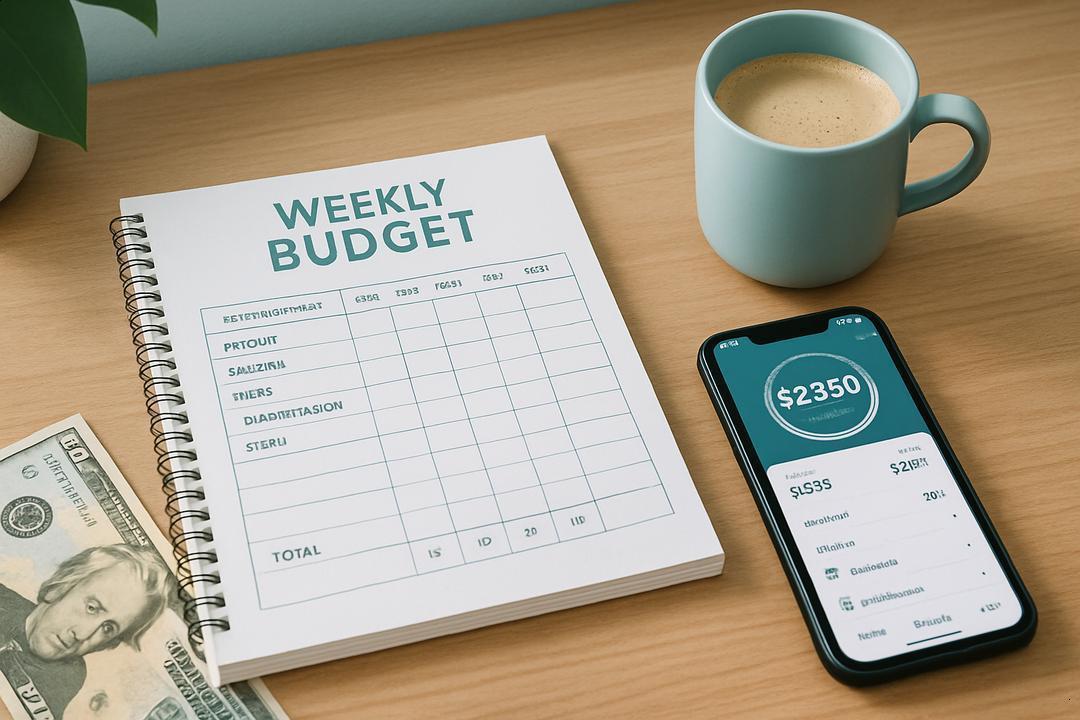
Ever felt like payday comes and goes, but you’re never quite sure where your money actually went? For most of us, keeping up with bills, savings ambitions, and day-to-day purchases can feel a bit like spinning plates, it only takes one surprise expense and things waver fast.
Maintaining a weekly budgeting routine is becoming one of the most practical solutions. A growing number of people are asking how small, regular check-ins can make a difference. With rising living costs and unpredictable expenses, knowing how to stay on top of your weekly expenses and adjust your spending has never been more important.
But here’s the thing: generic advice like “just track your spending” or “try a budgeting app” rarely sticks. Most quick fixes miss the biggest obstacles, motivation, simplicity, and finding a sustainable rhythm that matches real life. That’s why so many weekly budget planners collect dust before month’s end.
This article cuts through the noise. Here, you’ll get a step-by-step system backed by proven strategies and fresh research. We’ll break down the basics, help you sidestep common pitfalls, and give you real tools to build a weekly budgeting habit that lasts, no matter your income, lifestyle, or money goals.
Setting clear financial goals
Let’s talk about why clear financial goals are the bedrock of effective budgeting. Without knowing what you’re saving for or why, it’s easy to lose focus or motivation over time. Setting fresh targets, big or small, keeps your budget active and personal.
How to define specific, achievable goals
The direct answer: Make your goals specific and measurable. Swap “save for emergencies” with “save £2,000 for emergencies by June.” This makes progress easy to track and celebrate. Try using the SMART method, set targets that are Specific, Measurable, Achievable, Relevant, and Time-bound.
Start by listing what you want to achieve, then check that each one matches your current income and spending. If you’re aiming to pay off a credit card, write exactly how much, and circle a date when you plan to be debt-free. Many experts say that breaking big goals into smaller, monthly steps helps you stay motivated.
Action tip: Grab a notebook and jot down one goal you want to hit in the next 90 days. Make it real, with an amount and a deadline.
Prioritising short-term vs long-term objectives
The direct answer: Decide what matters most right now, but keep bigger dreams in sight. Short-term goals (less than a year) might be building a starter emergency fund, while long-term ones (five years or more) could be buying a house or saving for retirement.
Most financial planners recommend tackling urgent needs first, like clearing high-interest debt or setting up a cash buffer. Try making a list of all your goals and numbering your top three. This keeps things doable and stops you from spreading yourself too thin. Remember, you can always revisit and adjust priorities as life shifts.
Action tip: List one immediate goal and one future goal. Put them somewhere you’ll see often, like on your phone or bathroom mirror.
Aligning budgeting milestones with your personal values
The direct answer: Your goals should reflect your values and priorities, not just numbers. Ask yourself why each goal matters. If independence is key, you might prioritise paying down debt. If adventure matters, maybe a travel fund climbs the list.
Many follow the 50/30/20 rule, half for needs, 30% for wants, 20% for savings or debt, to help match goals with real life. Set “budgeting milestones” along the way, like having £500 saved in three months. Attach a “why” to every target so you remember its purpose when temptations strike.
Action tip: Choose one value that matters most to you. Match a money goal to it this week, and make this milestone part of your routine check-in.
Tracking your weekly expenses
If you’re not careful, it’s easy to lose track of where your money goes week to week. Regular expense tracking is what helps you take control and spot habits that hold you back.
Choosing the right method for expense tracking
Track every purchase as soon as you make it. The most effective way is whatever fits your routine: a straightforward app, a notebook, or even a separate spending account. Experts suggest logging each spend right away, just one or two minutes a day can cut your unnecessary spending by up to 10-15%.
If you’re new to this, try a simple 7-day log in your phone’s notes first, with no judgment, just record every expense. Pick one method and stick with it for a month before trying something else.
Action tip: Download a free expense tracker app, or keep a daily handwritten log for this week.
Categorising expenses for better clarity
Use 5-8 categories for clarity, not confusion. Group into essentials like groceries, transport, and housing, plus a few for “wants” and “savings.” The 50/30/20 rule works well: 50% for needs, 30% for wants, 20% for savings or debt.
At the end of each week, review and categorise anything you missed. If dining out is eating up your cash, now you’ll see it clearly.
Action tip: Set up your categories and review which area is most “off track” each Sunday night.
Avoiding common tracking mistakes
Don’t overcomplicate, keep tracking simple and consistent. Most people slip up by logging too late, using too many categories, or expecting to “fix” every problem at once. A 5-minute weekly review is enough to spot overspending before small leaks become big holes. Don’t forget to include small purchases, they highlight hidden patterns.
Expert advice backs this: “Tracking makes invisible spending visible, the necessary first step before any budget can work.” Start small, track for one week, then pick one habit to focus on next.
Action tip: Schedule a five-minute budget check-in every week, consistency beats perfection.
Adjusting your budget each week
Life rarely goes exactly as planned. That’s why making regular time each week to review and adjust your budget can help you stay on track and avoid nasty surprises.
Recognising patterns in your spending
Weekly review helps you spot spending patterns quickly. Check your transactions to see if you’re blowing past your monthly targets. For example, if you’ve used 60% of your “wants” budget but the month isn’t 60% over, it’s time to slow down.
Spend just 15 minutes each week looking for the category where you spend the most. Often this single step helps catch small leaks before they grow.
Action tip: Use the “60% rule”, if a category is over 60% before the month is, adjust that category straight away.
Responding to unexpected costs
Being flexible with unexpected costs is easier with a weekly budget. Set up an “oops fund”, a small pot just for surprise expenses. If a £75 bill pops up, cut back by that amount elsewhere (like eating out) just for the next week.
Only make one or two cuts at a time. This helps you deal with surprises without blowing up your whole budget.
Action tip: Each Sunday, check if you need to move a bit of money into your “oops fund” for the week ahead.
Simple ways to update your budget on the go
Use tech or a notebook to adjust instantly. Apps let you move cash between categories with a swipe. Set a regular time, like Sunday night, for your weekly review. Just focus on one change each week, maybe increasing savings or trimming extra spending.
Keep a reusable template or checklist to save time. Experts say leaving a bit of “breathing room” in your weekly plan helps you stick with it long-term.
Action tip: Pick a review time and write down one budget tweak, update it on your phone or paper straight away.
Tools and apps for effective budgeting
Budgeting isn’t always fun, but the right tools make it easier to stay on track. Whether you pick an app or pen and paper, using something you like is key to making your routine stick.
Review of top weekly budgeting apps
Top budgeting apps help you save more, fast. The Weekly app, for example, shows a single “Safe-to-Spend” amount and has helped 90% of users save between $50 and $250 every month. YNAB is great for planning around paydays, while EveryDollar gives you clear paycheck-by-paycheck guidance using a zero-based system.
Rocket Money is best for beginners, and Lunch Money is perfect if you prefer desktop budgeting. Action tip: Try a free version of one new app this week and watch where your money actually goes.
Pros and cons of digital vs paper budgets
Digital budgets are more automatic, but paper budgets give you more privacy. Apps can sync with banking, track every purchase, and alert you in real-time if you’re close to overspending. But some people prefer a simple notebook or spreadsheet because there’s no risk of privacy leaks or subscription fees.
Expert insight: Many users say that writing expenses by hand helps you remember where money went. Action tip: Try both for a week, see which keeps you more accountable.
Automating your savings and reminders
Automate savings and reminders to stay consistent, even when life is busy. Apps like Rocket Money and Albert spot bills you forgot, set up passive saving goals, and warn you about upcoming expenses. YNAB and PocketGuard can send reminders before paydays so you never fall behind.
Automation is ideal for catching double subscriptions or late payments. Action tip: Set up one recurring reminder or savings transfer today, even £1 counts as progress.
Making a weekly budgeting routine a sustainable habit
The direct answer: Consistency and simplicity are key to making weekly budgeting work for the long haul.
Success comes from setting aside just 15–20 minutes each week, Sunday suits many people, to check your spending, set intentions, and tweak your plan. Treat it like a non-negotiable money appointment. Many find that automating savings (like a set transfer to your savings account on payday) plus picking a single focus (such as “limit takeout this week”) keeps things manageable and stress-free.
Tracking reveals issues early; for example, if you’ve spent 60% of your category before the month is 60% over, adjust right away. Start small: if saving 10% isn’t realistic, go with 5% of your take-home pay and bump it up slowly by 1–2% a month. A practical example: List all your one-off costs for the year, divide by 52, and move that amount weekly into a separate “sinking fund” for expenses like holiday gifts or car repairs.
If you miss a week, don’t quit. Schedule the next check-in immediately, experts stress “miss once, return quickly” builds lasting habits. Celebrate wins and re-set your goals monthly or quarterly. Keep the process simple: state your weekly money focus in one sentence. That brief review creates a sustainable rhythm and prevents overwhelm, making your routine last long after the initial motivation fades.
Key Takeaways
This article provides a practical blueprint for building a weekly budgeting routine that is realistic, sustainable, and tailored to your needs.
- Set clear financial goals: Use the SMART framework—Specific, Measurable, Achievable, Relevant, Time-bound—to transform vague intentions into real results.
- Prioritise short- and long-term objectives: Separate urgent needs from future ambitions and focus on your top three goals to avoid overwhelm.
- Track every expense: Logging purchases immediately, using apps or a notebook, can help cut unnecessary spending by 10–15%.
- Use simple spending categories: Sticking with 5–8 categories and the 50/30/20 rule boosts clarity and makes reviews easier.
- Adjust budgets weekly: A 15-minute weekly review lets you spot overspending early and quickly redirect funds as needed.
- Automate savings and reminders: Apps and scheduled transfers reduce effort and help you stay consistent, even when life gets hectic.
- Build in flexibility: Setting up an “oops fund” and moving money between categories lets you cover surprises without blowing your budget.
- Small, consistent habits win: Regular short check-ins, celebrating small wins, and immediately rescheduling missed reviews are key to creating a lasting budgeting habit.
The main lesson: With clear goals, simple tools, and weekly check-ins, anyone can gain control of their finances and build habits that stick.