
Ethical investing: Aligning your portfolio with your values
Ethical investing lets you grow wealth and uphold your values. Explore key strategies, avoid greenwashing, and align your money with what matters.
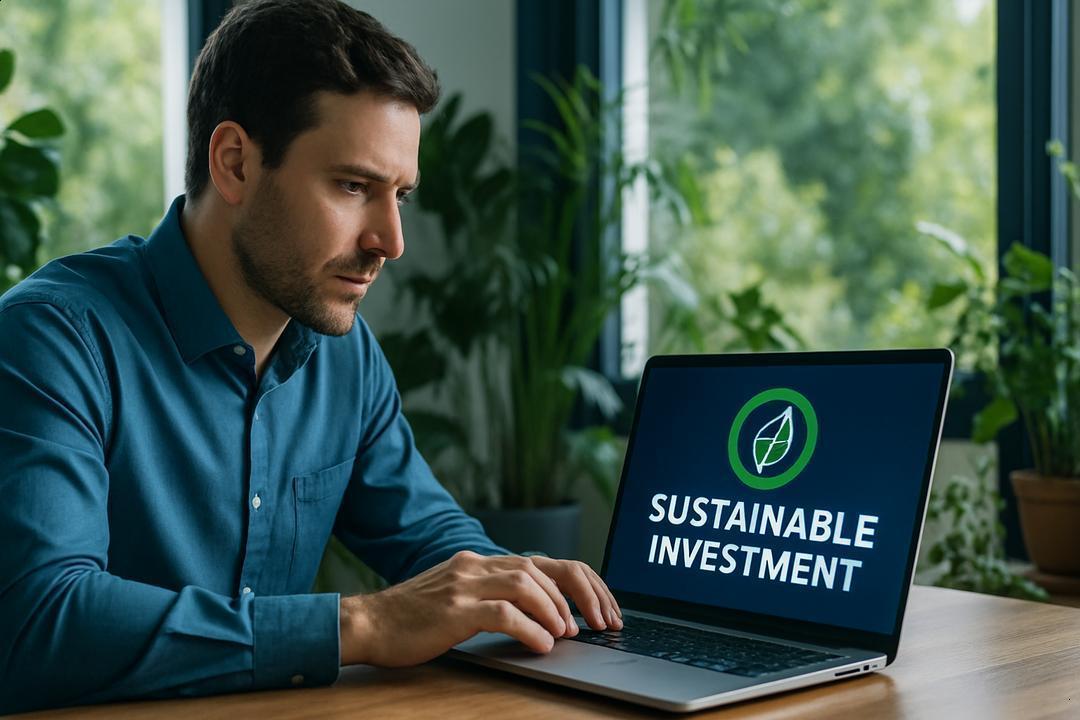
Picture your money not just as a way to build wealth, but as a tool for shaping the world around you. Imagine aligning your investments with your deepest values, whether that’s environmental sustainability, social justice, or ethical corporate behaviour.
That’s the core promise of ethical investing. A growing number of investors now see their portfolios as an extension of their principles, not just a stack of numbers in a brokerage account. From environmental, social and governance (ESG) criteria to the surge in green bonds and sustainable funds, this trend is changing finance. Yet concerns about greenwashing and differing definitions mean the ethical investing landscape is anything but simple.
Most guides gloss over real dilemmas: How do you cut through marketing to find genuinely responsible investments? Do you have to accept lower returns? Can you define a truly “ethical” investment when everyone’s values differ? Quick tips and “top 10” lists seldom answer these questions with substance.
This article takes you further. You’ll get a clear explanation of ethical investing’s core concepts, see how to avoid common traps, and discover practical steps for building a values-driven portfolio. Let’s turn your beliefs into a robust investment strategy, without the hype.
What is ethical investing
Ethical investing puts your values at the centre of your money decisions. It means using your portfolio as more than a tool for wealth, it’s about supporting causes you believe in and making sure profit meets principle. But how does this work in practice? Let’s break it down step by step.
Defining ethical investing
Ethical investing is choosing investments that align with your personal or societal values. Instead of just chasing returns, you consider how a company operates. Many ethical investors avoid companies in tobacco, arms, gambling, or fossil fuels. They often seek firms with strong ESG criteria: positive impact on the environment, good social policies, and fair management.
Some funds even try to measure “social return on investment” by tracking positive changes a business makes. For example, if you support green energy, you might pick shares in a wind power company or a sustainable equity fund.
A practical starting point: Filter options in your investment platform by ‘responsible’ or ‘sustainable’ to see available choices.
How it differs from traditional investing
Ethical investing goes beyond making money, it also judges how money is made. Traditional investing looks mainly at profit. Ethical investors ask about carbon emissions, worker rights, or board diversity before buying shares.
This difference often shows in risk analysis. Some experts think ethical investing is a good way to manage risks like climate change or bad business practices. While a traditional investor might pick oil companies for fast gains, an ethical investor could rule them out entirely.
If you want both returns and a clear conscience, this approach blends the two goals.
Socially responsible and ESG investing: Comparing terms
Not all “responsible investing” means the same thing. Socially Responsible Investing (SRI) often means avoiding harmful industries, like gambling or weapons. ESG investing is more about checking companies against measurable standards, such as pollution levels, pay equity, or transparent leadership.
Ethical investing is even more personal. It lets your beliefs shape your investments, whether you follow religious principles or just care about animal rights. Many funds now clarify if they use exclusion lists (avoiding some industries) or positive screens (finding top performers on ESG benchmarks).
One tip: Read a fund’s factsheet or look for their ESG rating before investing. This helps you avoid confusion and pick funds that truly fit your idea of ethical investing.
Key principles and criteria
Key principles and criteria guide every ethical investing decision. They help you judge companies on more than just how much money they make. Let’s unpack what matters most, so you can set clear standards for your portfolio.
ESG factors explained
ESG factors are non-financial standards that measure a company’s impact and behaviour. That means looking at environmental issues (like carbon emissions), social points (like fair labour), and governance (like transparent leadership).
There’s no perfect checklist yet, but most ethical funds rate companies on climate action, diversity, and fair pay. A company with strong ESG factors may be more resilient and trusted in the long run.
Example: Some investors pick solar firms or banks with excellent workplace diversity based on high ESG ratings.
Positive and negative screening
Screening helps decide what makes it into your portfolio. Positive screening looks for companies doing exceptionally well on ESG, like renewable energy leaders. Negative screening leaves out those involved in harmful sectors, think tobacco, weapons, or poor labour standards.
This approach is now used by many funds. You might choose an ETF that excludes companies accused of human rights abuses or only includes firms fighting climate change.
Action tip: Most investment platforms let you filter for “sustainable” or “responsible” funds, use these tools to build a better-aligned portfolio.
Understanding your own values
Your personal values must guide every ethical investing choice. Before picking investments, decide what matters: climate, equality, corporate transparency?
The World Economic Forum says: “purpose, values, and culture” are at the heart of true sustainability. This reflection stops you from just ticking boxes and ensures your investments truly match your beliefs.
Practical step: Write down your top three values, then check if a fund or company meets them before you invest.
Popular ethical investment options
There’s a wide range of ethical investment options today. These let you combine your money goals with real-world positive impact. But every option has pros, cons, and watch-outs you need to know.
Green bonds and sustainable funds
Green bonds and sustainable funds let you back companies or projects that aim to do good. Green bonds pay for clean energy projects or environmental upgrades. Sustainable funds, like the popular iShares ESG ETF, pick companies that meet tough ESG standards.
Data from 2020 shows 59% of sustainable European funds outperformed their conventional rivals. But “greenwashing” is a real danger, about 1 in 5 fossil-free funds were found to still include coal or oil shares.
Tip: Always look for official sustainability labels and check what’s actually inside before you buy.
Impact investing initiatives
Impact investing focuses on real change you can measure. This often means putting your money into community housing, solar energy, or organic farming, sometimes through crowdfunding platforms.
It brings higher risks and sometimes higher fees, but you see clear results. For instance, some platforms let you track how many jobs your money helped create or how much CO2 was saved.
Try this: Compare standard ESG funds to specialised impact funds and weigh the kind of change you want to support.
How to research ethical funds
Your research should start with your values and end with the facts. Tools like MSCI or Morningstar ratings can help you sort funds by how they handle things like fossil fuels or weapons.
Always confirm that a fund has independently verified policies. Look for clear exclusion lists, and check for proof of impact, like tons of CO2 avoided or the number of local jobs created.
Action step: Before investing, download the fund factsheet and scan for sustainability labels, exclusion rules, and real-life examples of results.
Evaluating performance and risks
Evaluating performance and risks is crucial before you invest ethically. This means looking at returns, unique problems, and the risk of being misled by false claims. Here’s what you need to know to spot the signal from the noise.
Do ethical investments sacrifice returns?
Evidence suggests ethical investments do not sacrifice returns. Strong ESG practices are linked to lower capital costs and higher profitability. In many cases, funds with good ESG scores match or even beat traditional funds in performance.
Example: Some sustainable European funds outperformed their standard peers in recent years. Look for funds with proven ESG track records instead of assuming they will underperform.
Risks unique to ethical investing
Ethical funds come with unique risks. Valuation gaps can occur because these funds avoid certain sectors, like oil or tobacco. This sometimes leads to less diversification or higher volatility.
Another risk: Many “green” markets depend on policy support. If rules or subsidies change, it can hit those investments hard.
Tip: Check how widely diversified your fund is, and watch for sector concentration.
Spotting greenwashing and misleading claims
Greenwashing is a growing problem in ethical investing. Some funds claim to be sustainable but still include polluting or unethical companies. Use quantitative metrics, like carbon reports, and check for transparent ESG reporting from fund managers.
Experts recommend looking at both the numbers and the leadership’s track record for honesty. Practical step: Always ask for independent ESG audits and demand examples of real improvements, not just promises.
Building a values-driven portfolio that stands the test of time
Building a values-driven portfolio that stands the test of time starts with setting your core beliefs and sticking to clear, long-term habits. This means your investment plan reflects what matters to you, whether that’s sustainability, fairness, or community impact, while still aiming for competitive returns.
Experts suggest codifying your guiding beliefs in an investment policy statement. This one document is like your personal rulebook and prevents emotion from taking over when markets swing. For true resilience, focus on holding 10–20 positions in strong, ethical companies or funds. Regular reviews, like an annual ESG check, help keep your choices in line with your values.
Real-world example: One practical starter portfolio splits most funds into safe assets like treasuries, with a smaller slice in trusted companies known for ethical leadership, such as Berkshire Hathaway. Over time, reinvesting dividends and buying quality stocks when prices dip can compound both your financial and social returns.
Success isn’t about chasing quick wins. It’s about applying a disciplined approach, buying at fair prices, choosing businesses whose purpose matches your own, and checking for style drift each year. And remember: “Progress Over Perfection” is key. Each step, however small, keeps your portfolio and your impact growing together over decades.
Key Takeaways
This article provides a practical roadmap for building an investment portfolio that reflects your values without sacrificing performance.
- Ethical investing explained: It aligns your investments with personal or social principles, often excluding industries with negative social or environmental impacts.
- ESG and screening methods: Use ESG factors and both positive and negative screening to select or exclude companies based on clear ethical criteria.
- Diverse investment options: Green bonds, sustainable funds, and impact investing initiatives offer ways to support causes you care about.
- No trade-off in returns: Evidence shows ethical investments generally perform as well as, or better than, traditional investments over time.
- Risks and greenwashing: Ethical funds may have unique risks such as less diversification and greenwashing—verify claims with third-party ratings and transparent data.
- Define your core values: Start with an investment policy statement to align decisions with your beliefs and regularly review your portfolio and its impact.
- Long-term focus pays off: Holding 10–20 positions and maintaining discipline ensure your portfolio stands the test of time.
The core insight: Ethical investing is not just possible; it’s sustainable, practical, and can drive real positive change alongside financial growth.