
Envelope budgeting system: How to organise your finances effectively
Envelope budgeting system demystified. Discover simple steps to organise your household budget, manage cash envelopes and take control of your spending.
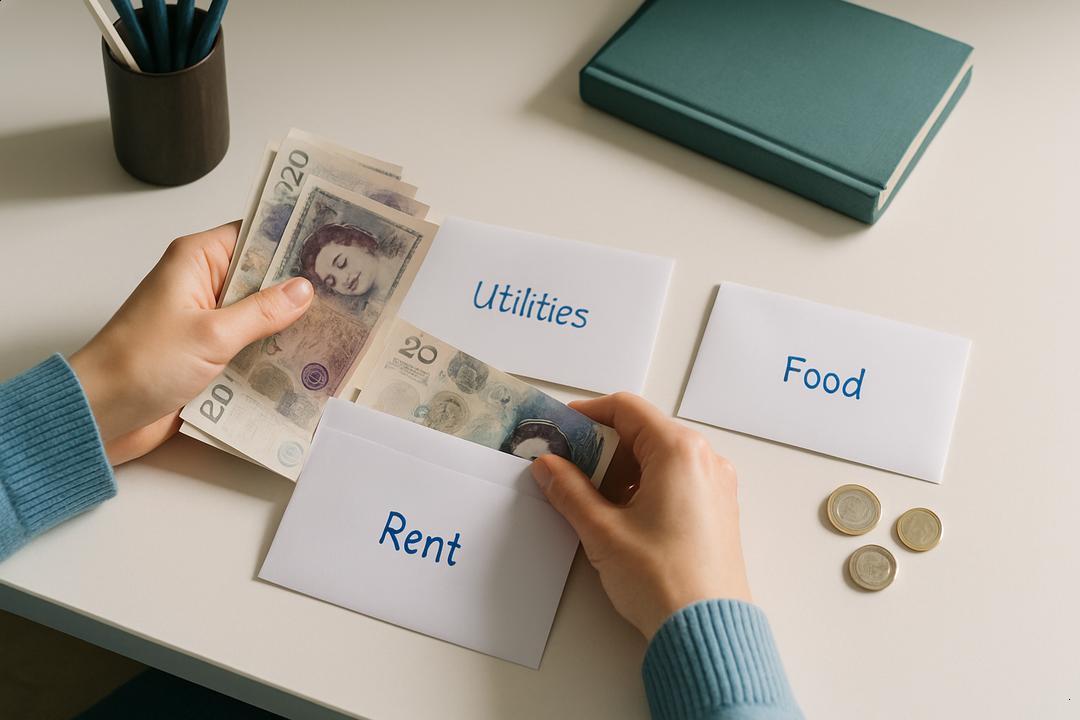
Ever feel like your paycheque just vanishes? You budget in your head, promise to spend less, and yet somehow the money slips away. Finding a simple, honest way to track every pound can feel impossible.
For a growing number of households, the envelope budgeting system offers a refreshingly concrete solution. It takes your budget out of the abstract and makes every pound visible, and spendable, within tangible limits. Research in personal budgeting has consistently found that those who use physical or digital ‘envelopes’ for their spending categories report sharper awareness of where their money actually goes.
The problem? Most budgeting advice focuses on apps and spreadsheets alone, missing the direct behavioural impact of cash management. Quick digital fixes can be too easy to override, while cash-stuffing social media trends often skip practical steps for real life.
This article goes beyond surface-level tips. You’ll see step-by-step guidance tailored for both old-school and tech-savvy approaches, get honest pros and cons, and walk away with practical tools to help you stop overspending, without guesswork. Ready to take control? Let’s open the envelopes.
What is the envelope budgeting system
The envelope budgeting system is a hands-on way to sort your money. You assign cash to specific spending categories using labelled envelopes, physical or digital. Once the envelope is empty, you stop spending in that area.
How envelope budgeting works
You spend only from each envelope. Start by listing your monthly expenses, including groceries, transport, and entertainment. Withdraw cash, divide it by category, and fill each envelope with its share. For example, if your grocery envelope has £60, that is your strict limit for the month. When the cash runs out, that’s it, no topping up until the next cycle. Digital versions let you create ‘virtual envelopes’ with apps, following the same rules.
This method gives you visual control over your money. You always know exactly how much remains for each type of spending.
The psychology behind cash envelopes
Handling physical cash curbs impulse spending. Research suggests the act of handing over cash feels more “real” than tapping a card, making you think twice before buying. Experts like Dave Ramsey emphasise that seeing cash diminish creates a “pain of paying,” which helps prevent overspending.
Another benefit? Physically segmenting money can reduce the temptation to “borrow” from other categories, so you stick closer to your plan. Try using envelopes for 2-3 trouble areas, like eating out or shopping, if you’re just getting started.
Who might benefit most
This system suits anyone needing discipline. It’s especially effective for people who struggle with credit card debt or tend to overspend. Older adults managing fixed incomes also find envelopes easy to track and understand.
If you’re often surprised by your monthly bank balance, or want a concrete budgeting tool, the cash envelopes approach can bring clarity, and a bit of calm, to your financial routine.
Benefits of using envelope budgeting
The benefits of using envelope budgeting go beyond just tracking expenses. This system gives you structure, instant feedback, and reinforces smart spending habits in a way that card payments just cannot match.
Better control over discretionary spending
Envelope budgeting creates better control over spending by using cash only for each category. Each time you pull from your envelope for groceries or coffee, you see what is left, and how quickly it goes. According to multiple sources, many people cut discretionary spending by 10–20% soon after starting envelopes. If you struggle with impulse purchases, try carrying exact cash for non-essentials, and watch how quickly you start to hesitate before buying.
Reduced risk of overspending
This method makes overspending “structurally impossible” if you stick to the rules. When the envelope is empty, there is no more money to spend, so you physically cannot go over budget. No account overdraft. No card debt creeping up. Experts say envelope budgeting ties every pound to a specific goal, so every purchase is intentional. For example, running out of your “fun” envelope? You wait until next month, no dipping into grocery funds.
Strengthened savings habits
Envelope budgeting helps build stronger savings habits by keeping leftovers visible and separated. If cash remains at the end of the month, you can move it straight to savings or pay off debt. Over 86% of budgeters who follow envelope systems credit this structure with reducing debt and meeting savings goals faster. To boost your discipline, set up envelopes for savings targets, label one “Holiday Fund” and see progress build month to month.
Step-by-step guide to setting up your envelopes
The best envelope systems are kept practical and simple. This step-by-step guide helps you focus on what really matters and avoid common budgeting traps before you even start filling your envelopes.
Choosing spending categories
Identify your main variable expenses using recent statements. Look at the last 2–3 months of your bank statements. This shows where your money goes each month, categories like groceries, health, transport, and entertainment are common. Experts suggest sticking to 5 to 8 categories so it stays manageable. Skip fixed bills like rent, which are best left on autopay. An example: one envelope for “groceries,” another for “family outings,” and maybe a third for “gifts.”
Setting realistic limits based on expenses
Use real numbers when setting envelope limits. Set amounts using your actual spend from recent months, not wishful thinking. If you spent £200 monthly on groceries, don’t cut it to £120 right away. Trim spending slowly, about 5–10% per month. Always include a savings envelope, even if the amount is small at first. Roll any leftovers at month-end into savings or debt repayments.
Cash or digital: picking your envelope style
Pick cash or digital envelopes based on your lifestyle. With cash, withdraw your monthly budget and fill envelopes on payday. Stop spending from each envelope when empty, no “borrowing” from others. For digital types, apps like Goodbudget mimic envelopes and enforce the spend only from envelopes rule without you handling cash. Try both to see which fits your routine best.
Tips for maintaining discipline with cash envelopes
Sticking with cash envelopes is mostly about keeping your rules simple and your categories practical. Here are proven ways to make your system work long term, even when it’s tempting to cheat.
What to do when an envelope is empty
Stop spending when empty. If one envelope runs out, that is your “mini contract” to pause spending in that category. Don’t touch the card. Don’t find cash from somewhere else. Instead, ask if your limit was too low or if you overspent, then fix it for next month. Treat it as a learning tool, not a failure.
How to avoid ‘borrowing’ from other categories
Always avoid borrowing from other envelopes. Mixing funds causes one shortage to balloon into others. Start small: use envelopes for just two or three high-risk spending categories like groceries or takeaway. At the shop, only bring the envelope you need, leave the rest at home. This keeps temptation away and helps build new habits.
Handling irregular or large expenses
Handle irregular expenses with a safety buffer. Keep a spare “emergency” envelope or a small cash reserve at home, but don’t tap into daily budgets. If one area is always running short, adjust allocations over time, lower another category or increase your total budget if possible. Revisit your limits each month as real life changes.
Is envelope budgeting right for you? Making it work in a digital world
Envelope budgeting can suit many people, even in a digital world, if you value control over your spending and can stick with it. This method works best if you struggle with impulse buys, want clear spending boundaries, or need to see exactly where your money goes. Digital versions use apps or separate bank accounts to mimic envelopes, making them practical for those who prefer not to carry cash or want tracking features.
Experts note that digital envelope budgeting keeps the key rule: once the money is gone from a category, you stop spending until payday. Users report that “enveloping” their allowances, even using virtual buckets, gives them more freedom and honesty with their budgets. Banking apps and popular services like Goodbudget let you create digital categories for groceries, fuel, or fun, sending reminders before you overspend.
This system is not for everyone. If your monthly spending is highly unpredictable or you want an entirely automated process, envelopes, digital or otherwise, can feel too restrictive or time-consuming. Still, the system is completely customisable. Many combine envelope budgeting with zero-based budgeting or use physical cash for problem areas, but digital tools for everything else.
To make it work, start by identifying your main expense categories and move money, either to a real envelope or an app, each payday. Record every expense and review your limits weekly. Setting app notifications or reminders helps stay consistent. The bottom line: digital envelopes make old-school discipline possible for modern, card-focused life. Start with just two or three spending categories to keep things simple, then expand as your habits improve.
Key Takeaways
This article provides practical guidance to help you organise your finances using the envelope budgeting system, whether you prefer cash or digital tools.
- Clear spending boundaries: Envelope budgeting sets strict limits for each category, making overspending structurally impossible if followed.
- Better control over discretionary spending: Most people immediately reduce impulse spending by 10–20% by seeing cash physically decrease.
- Simple setup: Start with 5–8 main spending categories and realistic limits based on your average monthly expenses.
- Disciplined savings habits: Unspent cash rolls into savings, and over 86% of budgeters report reduced debt using this method.
- Adaptable for all lifestyles: The system works for cash users and can be replicated digitally with apps or sub-accounts, offering flexibility.
- Effective for those needing structure: Especially useful for people with irregular budgets, impulse spending, or difficulty tracking expenses.
- Prioritise consistency and review: Weekly checks and adjustments are key to long-term success with either physical or digital envelopes.
Embracing the envelope budgeting system offers an accessible route to greater financial confidence and control in both cash and digital worlds.