
Short-Term vs Long-Term Financial Planning
financial planning UK helps you balance immediate needs and future goals, with practical steps for budgeting, saving, and retirement planning.
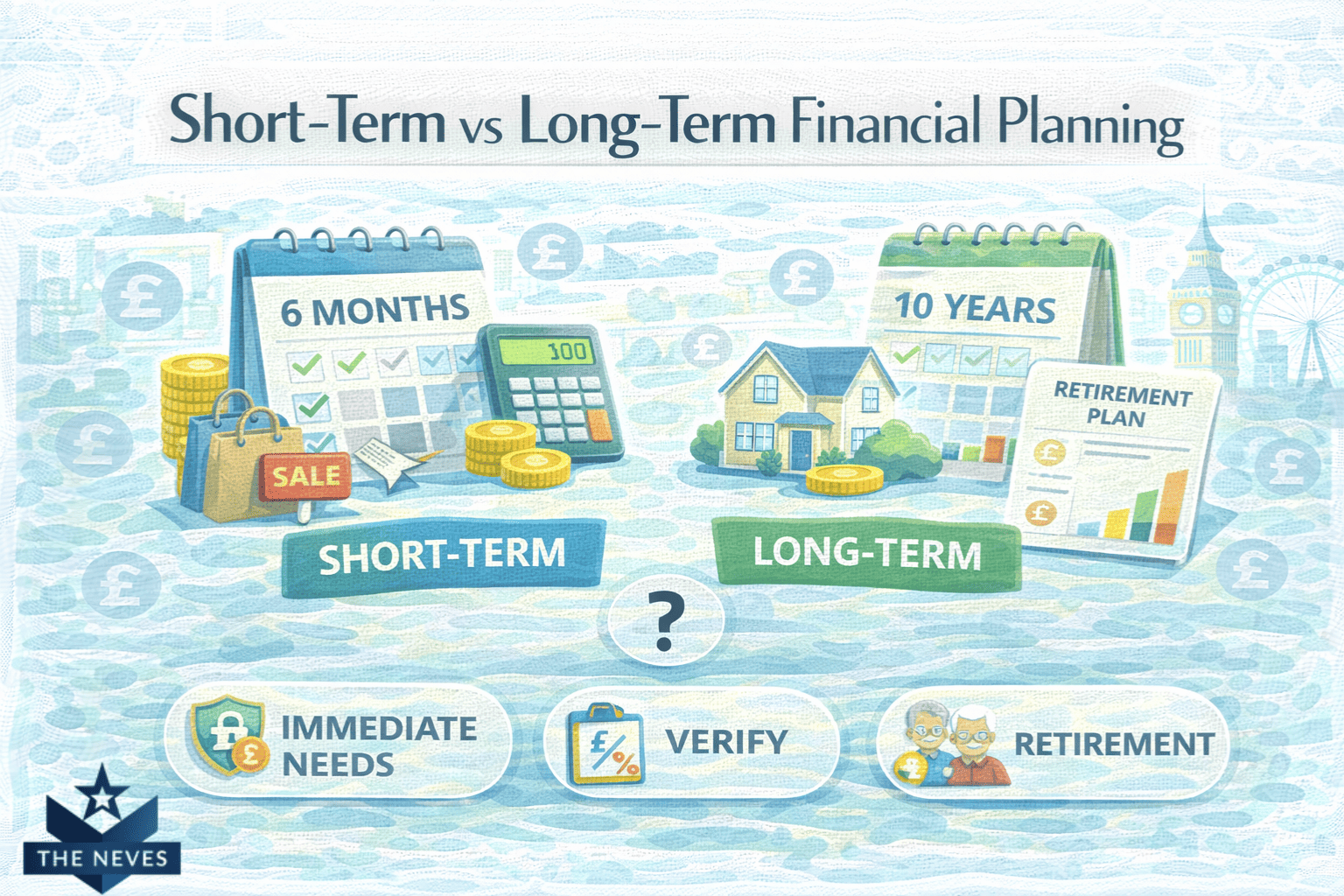
financial planning UK can feel like juggling — bills today versus dreams for later. Ever wondered how to split focus without losing sleep? I’ll walk you through practical ways to protect cash now and build wealth for tomorrow, using simple examples that actually fit everyday life.
Understanding short-term needs versus long-term objectives
Short-term needs are costs you expect to cover within months to a few years, like monthly bills, small repairs, or building an emergency fund. Long-term objectives stretch over many years and include aims such as buying a home, retirement, or saving for a child’s education.
Common examples
- Short-term: utility bills, car repairs, holiday savings, emergency cash.
- Medium-term: a new car, a home deposit, or a major renovation planned within 1–5 years.
- Long-term: retirement funds, mortgage payoff, long-term investments for wealth growth.
How to decide priorities
Start by listing goals with a timeline. Ask: what must be paid now? What can wait? Use simple rules to order them.
- Cover essentials first: food, housing, minimum debt payments.
- Build a small emergency fund (one month) quickly, then aim for 3–6 months.
- Pay down high-interest debt before larger long-term investments.
- Once protected, split extra money toward both short and long goals.
Practical budgeting buckets
Divide income into clear buckets. Keep each bucket visible so you can adjust:
- Immediate (essentials and emergency): 50% or your actual essentials.
- Short-term (savings for 1–5 years): 20% for planned purchases and buffers.
- Long-term (investments and retirement): 20–30% depending on age and goals.
Actions you can take today
Automate transfers into separate accounts or jars. Track one month of spending to spot leaks. Revisit priorities after major changes like a job move or family growth. Small, steady steps shift money from urgent needs to lasting objectives.
How to prioritize goals and set realistic timelines
Start by listing every financial goal you have, big and small. Group them by when you expect to need the money: months, 1–5 years, or 5+ years. This makes trade-offs clearer and reduces overwhelm.
Rank by impact and urgency
Ask two simple questions for each goal: How soon? and How important? Give higher weight to essentials (rent, debt payments) and any goal that would cause serious harm if missed.
- Mark urgent needs you must cover in weeks or months.
- Flag high-impact goals that change your life, like a home deposit or retirement top-up.
- Put flexible wants lower on the list until essentials are secure.
Use SMART timelines
Turn goals into SMART items: Specific, Measurable, Achievable, Relevant, Time-bound. Instead of “save for a car,” write “save £3,000 in 18 months by setting aside £170 per month.”
Allocate funds with simple buckets
Create separate buckets for essentials, short-term savings, and long-term investments. Automate transfers so money goes to the right place each payday. Small, regular amounts add up.
- Essentials: cover bills and minimum debt payments first.
- Short-term: emergency fund and planned purchases in 1–5 years.
- Long-term: pensions and investment accounts for 5+ years.
Build in buffers and review dates
Timelines rarely run perfectly. Add a safety buffer of 10–20% to time and cost estimates. Set review dates every 3–6 months to tweak priorities after life changes like a new job or a baby.
Tools and quick tips
Use a simple spreadsheet or an app to track progress. Try the “50/30/20” idea as a starting point, then adjust. When in doubt, protect essentials and high-interest debt first.
Creating cash flow strategies and an emergency fund
Track money in and out each week to spot tight spots before they bite. A simple record of paychecks, bills, and regular spending helps you plan when money is available and when it is not.
Set up a simple cash flow plan
List fixed income and fixed costs first, then add flexible spending. Use a one-page calendar or a spreadsheet to mark paydays and major bills. Clear timing prevents missed payments and late fees.
- Record income dates and amounts.
- Note all fixed bills (rent, utilities, loan payments).
- Estimate monthly variable spending (food, transport, subscriptions).
- Balance the month to see surpluses or shortfalls.
Priority rules for tight months
If money is short, protect essentials first: housing, energy, food, and minimum debt payments. Talk to creditors early to agree adjusted payments if needed.
Build an emergency fund step by step
Start small and grow: aim for a short buffer of one month, then expand to 3–6 months of essential expenses. For many UK households, this gives breathing room after job loss or unexpected repairs.
- Set a realistic target in pounds (for example, £1,000 first, then a larger goal).
- Automate a weekly or monthly transfer so saving happens without thinking.
- Use windfalls—tax refunds, bonuses, or gifts—to speed up progress.
Where to keep emergency savings
Choose easy access and low risk: a separate instant-access savings account or a cash ISA for tax-free interest if suitable. Keep the fund liquid so you can withdraw quickly when needed.
When to use and how to rebuild
Use the fund for true emergencies: job loss, major car repair, or urgent home fix. After a withdrawal, set a recovery plan to rebuild within months, not years.
Quick actions you can do today
Track one month of spending, open a separate savings account, and set up an automated transfer of a small amount each payday. Small, regular habits protect short-term cash flow and fund long-term goals.
Investment approaches for long-term growth and retirement
Long-term investing for growth and retirement focuses on time, consistency, and tax efficiency. Think of it as money you can leave alone for years. Your main choices are how much risk you can take and which accounts to use.
Match risk to time horizon
If you have decades until retirement, you can usually accept more short-term ups and downs in exchange for higher growth. If retirement is near, protect capital by shifting into lower-risk assets. A simple rule: the closer you are to your goal, the more conservative your mix should be.
Use tax-efficient wrappers
In the UK, choose accounts that give tax advantages. Workplace pensions and personal pensions (including SIPPs) offer tax relief on contributions. Stocks and Shares ISAs let investments grow tax-free and are flexible. For younger savers, a Lifetime ISA can help with a first home or retirement, but check limits and rules.
Diversify across asset types
Spread money across stocks, bonds, and cash to reduce risk. Stocks normally drive long-term growth, while bonds and cash smooth returns. Consider broad, low-cost index funds or ETFs that hold hundreds or thousands of companies to get instant diversification.
- Equity funds for growth over many years.
- Bond funds to add stability and income.
- Multi-asset funds if you want one simple solution that mixes assets for you.
Control costs and invest regularly
Fees eat returns over time. Prefer funds with low ongoing charges and avoid high-tracking-fee products unless they outperform consistently. Use regular monthly contributions to benefit from pound-cost averaging—this smooths the price you pay over time.
Rebalance and review periodically
Markets move and your portfolio can drift from its target allocation. Check and rebalance once or twice a year to restore your intended split. Also revise plans after big life events like a job change, marriage, or inheritance.
When to seek help
If you feel unsure about choices or tax rules, consult a regulated financial adviser. They can help with retirement projections, tax-efficient strategies, and risk matching for your situation. Small, steady steps and simple rules often beat complex guesses.
When to review your plan and seek professional advice
Review your financial plan at least once a year and after any big change. Regular checks keep goals on track and spot problems early.
Common triggers to review
- Life events: marriage, birth, divorce, or death in the family.
- Job changes: new role, redundancy, or major salary change.
- Large financial moves: inheritance, house sale, or big windfall.
- Approaching milestones: buying a home, starting university, or retirement.
When professional help makes sense
Get advice if choices feel complex or risky. Examples: pension transfers, tax planning, mortgage strategy, or managing a large investment pot. If you worry about mistakes, a pro can save time and stress.
Types of advisers and regulation
Look for an FCA regulated adviser in the UK. You can choose an independent financial adviser for broad advice, or a restricted adviser for specific products. Check credentials and complaint handling before you agree.
What to bring to a meeting
- Clear list of goals and timescales.
- Recent payslips, pension statements, and bank summaries.
- Details of debts and regular bills.
- Notes on benefits, inheritances, or other expected changes.
Good questions to ask
- How are you paid and what will I pay in total?
- What is your experience with situations like mine?
- What risks should I expect and how will you manage them?
- How often will we review the plan and how will I get updates?
If cost is a concern, start with a one-off plan review. Even simple, clear advice can improve outcomes and help you feel confident about long-term goals.
Final steps to balance short-term and long-term goals
Start with a clear budget and an emergency fund. Protect essentials so you can handle shocks without derailing long-term plans.
Split money into buckets for immediate needs, short-term savings, and long-term investments. Automate transfers to keep progress steady and reduce temptation to spend.
Match risk to your time horizon and use tax-efficient accounts like workplace pensions and ISAs in the UK. Prefer low-cost, diversified funds for steady growth.
Review your plan at least once a year and after big life changes. Consider an FCA-regulated adviser for complex choices or if you need extra confidence.
Small, regular actions beat big guesses. Build simple habits, adjust as life changes, and you’ll improve both short-term security and long-term success.