
Cost of Living Crisis: What’s Changing in the UK
UK cost of living crisis hits households hard - find practical tips, benefit changes and what to expect in bills and budgets.
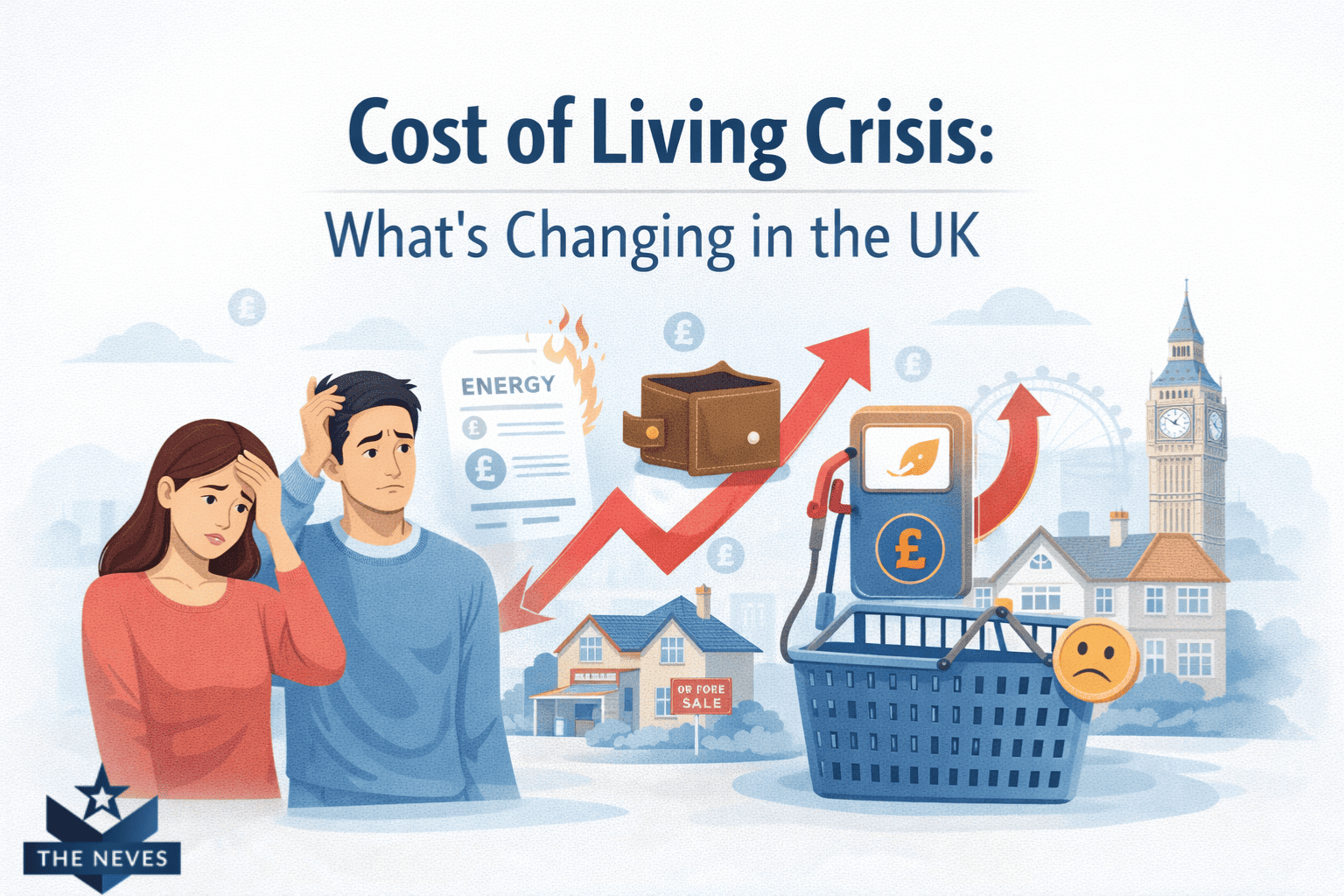
UK cost of living crisis is shifting how people manage money — from supermarket choices to heating decisions. Want to know who feels it most and what you can do? I look at causes, real impacts and practical steps you can try today.
What’s driving the UK cost of living crisis?
Multiple forces are pushing costs up across the UK, squeezing family budgets and small businesses. Prices for essentials like food, energy and rent have climbed fast, and many people feel the pinch.
Inflation and energy costs
Inflation means the same money buys less than before. A big driver recently has been energy. Global gas and oil prices rose after the pandemic and geopolitical events. Higher wholesale energy costs led to bigger bills for homes and businesses.
- Gas and electricity price spikes raised monthly household bills.
- War, supply cuts and tight markets pushed global fuel costs up.
- Seasonal demand and repair delays for infrastructure added short-term pressure.
Wage stagnation and household budgets
Wages have not kept pace with price rises for many people. When pay lags behind inflation, disposable income falls. That forces choices: cut back on heating, food quality, or other essentials.
- Real wages fell for several years before slowly rising in parts of the economy.
- Zero-hours and low-pay jobs make households more vulnerable to shocks.
- Rising childcare and commuting costs reduce take-home pay further.
Housing and local costs
Housing costs are a major part of household spending. Rent and mortgage payments rose in many areas. Council tax bands and local service cuts also affect the real cost of living.
- Higher rents in cities push people to commute farther or share housing.
- Mortgage rate rises increase monthly payments for new borrowers.
- Local cuts can mean more out-of-pocket spending for services like bins and leisure.
Supply chains, labor and policy shocks
Interrupted supply chains after the pandemic and changes from Brexit added cost and scarcity. Labor shortages in key sectors raised wages and service prices. Tax and benefit changes also shape how pressure lands on different groups.
- Port delays and extra paperwork raised import costs for food and goods.
- Labor gaps in transport, care and hospitality pushed pay up in those sectors.
- Policy shifts—tax changes, benefit freezes or one-off support—alter immediate household relief.
Who feels it most?
Low-income households, pensioners on fixed incomes and families with young children often feel the biggest hit. Regional differences matter: some areas have higher rents or fewer local job options, which worsens the squeeze.
How rising prices affect everyday household budgets
Rising prices shrink the money families have to spend each month. Essentials like food, energy and transport take a bigger share of pay, leaving less for savings or emergencies.
Where budgets get hit
- Food: Grocery bills rise when staple costs climb. Families may buy less fresh food or switch to cheaper brands.
- Energy: Higher gas and electricity bills force choices about heating and appliance use.
- Housing: Rent and mortgage payments can take a larger share of income, especially after interest rate rises.
- Transport: Fuel and public transport fare increases add daily costs for commuters.
- Services and childcare: Rising fees for care, school items and local services reduce disposable income.
Common household trade-offs
People often cut non-essentials first, but repeated cuts can affect health and work. For example, reducing heating may lower comfort and increase illness risk. Skipping meals or fresh produce hits nutrition.
- Delay repairs or skip leisure to cover bills.
- Use cheaper, less healthy food options to save money.
- Work extra hours or take second jobs, which can add stress and costs.
Practical steps to protect your budget
Small changes add up. Track spending for a month to see where money goes. Prioritize essentials, then spot easy savings.
- Create a simple weekly plan for meals and shopping to cut waste.
- Compare energy and phone suppliers; switching can save dozens of pounds a month.
- Improve home insulation and use a smart thermostat to reduce heating costs.
- Use supermarket price apps and loyalty deals, but watch for impulse buys.
- Set aside a small emergency fund, even £10 a week builds quickly.
When to seek extra help
If bills pile up, check benefits and local support schemes. Debt advice charities can negotiate with lenders and offer manageable plans. Don’t ignore letters — prompt action often reduces fees and stress.
These steps can ease the squeeze. Practical changes, clear priorities and timely support make budgets more resilient in a period of rising prices.
Regional and demographic differences in impact
The cost of living hits different people in different places. Where you live, your age, housing and job all change how much pressure you feel.
Geographic differences
- London and southern cities: high rents and housing costs mean more income goes to rent, even if wages are higher.
- Post-industrial towns: lower wages and fewer local jobs can leave households with less cushion.
- Rural areas: higher transport and heating costs, plus fewer local services, push up everyday spending.
- Devolved nations may have different support schemes, affecting how people cope in Scotland, Wales and Northern Ireland.
Age and household type
- Pensioners: often on fixed incomes or small pensions, so price rises reduce real income quickly.
- Families with children: face bigger grocery and childcare bills, making weekly budgets tighter.
- Young adults and renters: more likely to rent and to spend a large share of income on housing.
Tenure and housing quality
Homeowners with mortgages may see higher monthly costs when interest rates rise. Renters face market rents and less control over energy efficiency. Poorly insulated homes increase heating bills and risk of fuel poverty.
Work and sector exposure
Workers in hospitality, retail, care and transport often have irregular hours and lower pay. Self-employed people and those on zero‑hours contracts can see income fall quickly during shocks, while others in professional jobs may be more protected.
Ethnicity and social factors
Certain groups face higher risks due to concentrated low-pay jobs, smaller savings and barriers to services. Language, immigration status or lack of local networks can limit access to support.
Where to find targeted support
- Check benefits and grants: local councils and government sites list energy grants and hardship funds.
- Local charities and food banks often run targeted help for families and pensioners.
- Debt advice services can negotiate with landlords and lenders to reduce immediate pressure.
- Community centers and libraries may offer free help with benefit checks and form filling.
Changes in benefits, taxes and public services
Changes to benefits, taxes and public services can shift who gets help and how much people pay. Small policy tweaks often mean a big difference for low‑income households.
Benefit adjustments and direct payments
Governments may change eligibility, amounts or timing of payments. Universal Credit rules, council tax support and pension credits are common areas for reform. One-off grants or winter fuel payments can provide short-term relief, but they do not fix ongoing gaps.
- Benefit freezes reduce real income when prices rise.
- Eligibility reviews can move people on or off support quickly.
- One-off crisis payments help immediately but may end abruptly.
Tax changes that hit household income
Tax policy affects take-home pay. Raises in national insurance, changes to thresholds or new levies reduce disposable income. Sometimes tax cuts target higher earners while low-income households see little relief.
- Higher payroll taxes lower net pay for working households.
- Personal allowance shifts change who pays income tax.
- Indirect taxes, like VAT rises, make goods and services more expensive for everyone.
Public services and local government cuts
Local council budgets shape services people use daily. Cuts to transport, adult social care or youth services can push costs onto households or reduce access. Reduced service hours and increased fees for leisure or childcare add to the squeeze.
- Fewer bus routes raise travel costs for commuters and rural residents.
- Higher fees for care or leisure shift more spending to families.
- Service cuts often hit vulnerable groups first.
Devolved and targeted measures
Scotland, Wales and Northern Ireland may offer different schemes from England. Local hardship funds, energy rebates and council tax reductions vary by area, so the same household can get very different help depending on location.
Practical steps to respond
Check your entitlement early and regularly. Use official government tools and local council sites to find grants, rebate schemes and benefit calculators. If you’re unsure, contact local advice charities for help with claims and appeals.
- Gather recent payslips, bills and ID before applying for support.
- Apply for one-off hardship funds if facing immediate costs.
- Seek free debt advice to manage arrears and negotiate payment plans.
Understanding where changes are happening helps households act faster and access the right support when policy shifts impact budgets.
Practical ways households can reduce bills and stretch income
Small, practical steps can reduce bills and free up cash every month.
Energy and home
- Insulate and draught-proof: seal gaps, add loft insulation and use draft excluders to cut heat loss.
- Fit LED bulbs and use a low-flow showerhead to lower electricity and water use.
- Use a programmable or smart thermostat to heat only when needed and set lower temperatures at night.
- Check your meter type: switching from expensive prepayment meters to direct debit may save money if possible.
Smart shopping and food
- Plan meals and shop with a list to avoid impulse buys and food waste.
- Buy own-brand staples and bulk-store cupboard items when cheaper.
- Use supermarket apps, price-comparison tools and club deals, but watch for promotions that raise costs overall.
- Freeze leftovers and batch-cook to save time and money.
Bills, contracts and services
- Compare and switch energy, broadband and phone providers—switching can cut dozens of pounds a month.
- Negotiate with suppliers or ask for discounts before renewing contracts.
- Cancel unused subscriptions and consider cheaper alternatives for streaming and gym access.
- Bundle insurance or shop annually for better renewal rates.
Income, benefits and extra support
- Check entitlements: run a benefits check for Universal Credit, council tax support and local grants.
- Look for one-off payments like energy rebates or winter fuel schemes in your area.
- Try small, flexible extra work—selling unused items or short freelance tasks—to bridge tight months.
Budgeting and debt
- Track spending for a month to see where cuts are possible and set priorities for essentials.
- Create a simple weekly meal and spending plan to avoid surprises.
- If debt builds, contact free debt-advice charities early to negotiate payments and prevent extra fees.
- Build a small emergency fund, even £5–£10 per week, to reduce reliance on costly credit.
Everyday habits and community help
- Share rides, swap childcare or join bulk-buy groups to cut routine costs.
- Use local libraries, community centers and food banks when needed—these services save money and time.
- Maintain appliances to extend life and run them efficiently (full loads in dishwashers and washing machines).
- Review small habits—turn off standby power, line-dry clothes and boil only the water you need.
What to watch next: inflation, wages and policy shifts
Keep an eye on a few clear signals that show where prices and pay are heading. These help you plan budgets and spot risks early.
Key indicators to watch
- CPI and core inflation: headline consumer prices and core measures (excluding food and energy) show general price pressure.
- Wage growth: regular pay rises and real wages (pay after inflation) tell you if earnings keep up with costs.
- Unemployment and vacancies: low unemployment and many vacancies can push wages up; rising joblessness can signal slowing demand.
- Energy wholesale prices: gas and electricity wholesale costs feed into household bills and business costs.
- Interest rates and gilt yields: Bank of England moves and government bond yields affect mortgage costs and borrowing.
- Fiscal and benefit announcements: tax changes, uprating of benefits or one-off payments change household income quickly.
What the signals mean for you
If inflation stays high while wages lag, real income falls and the budget tightens. If wages rise faster than inflation, households gain some breathing room. Falling energy prices can cut bills, but policy or tax changes may offset that benefit.
Practical steps to prepare
- Check your budget: track spending monthly and prioritise essentials.
- Consider fixing mortgage rates if you worry about further rises.
- Build a small emergency fund—even modest weekly savings help.
- Review benefit entitlements and local support schemes early.
- Plan timing for big purchases when indicators point to lower inflation or cheaper credit.
- Talk to employers about pay reviews or upskilling to improve earnings.
Where to get reliable updates
- Office for National Statistics (ONS) for inflation and labour data.
- Bank of England statements for interest-rate outlook.
- Government sites for tax and benefit changes and local council pages for hardship funds.
- Trusted news outlets and independent advisers for plain-language summaries.
Watching a few simple indicators and taking timely actions can reduce surprises and help your household absorb future shifts in inflation, wages and policy.
Final steps to protect your budget
UK cost of living crisis is affecting many households, but practical actions can ease the pressure. Small, steady changes help your money go further.
- Review bills: compare providers for energy, broadband and insurance, and switch if you can.
- Cut energy use: draught-proof, use LED bulbs and set a smart thermostat to lower heating costs.
- Plan food: make a weekly meal list, buy store brands and freeze leftovers to reduce waste.
- Check support: look up benefits, local grants and one-off rebates and apply early.
- Get advice: contact free debt and money charities if bills mount or you need help negotiating repayments.
Start with one simple change this week. Small steps add up, give you breathing room and help you respond quickly if prices or policies shift again.